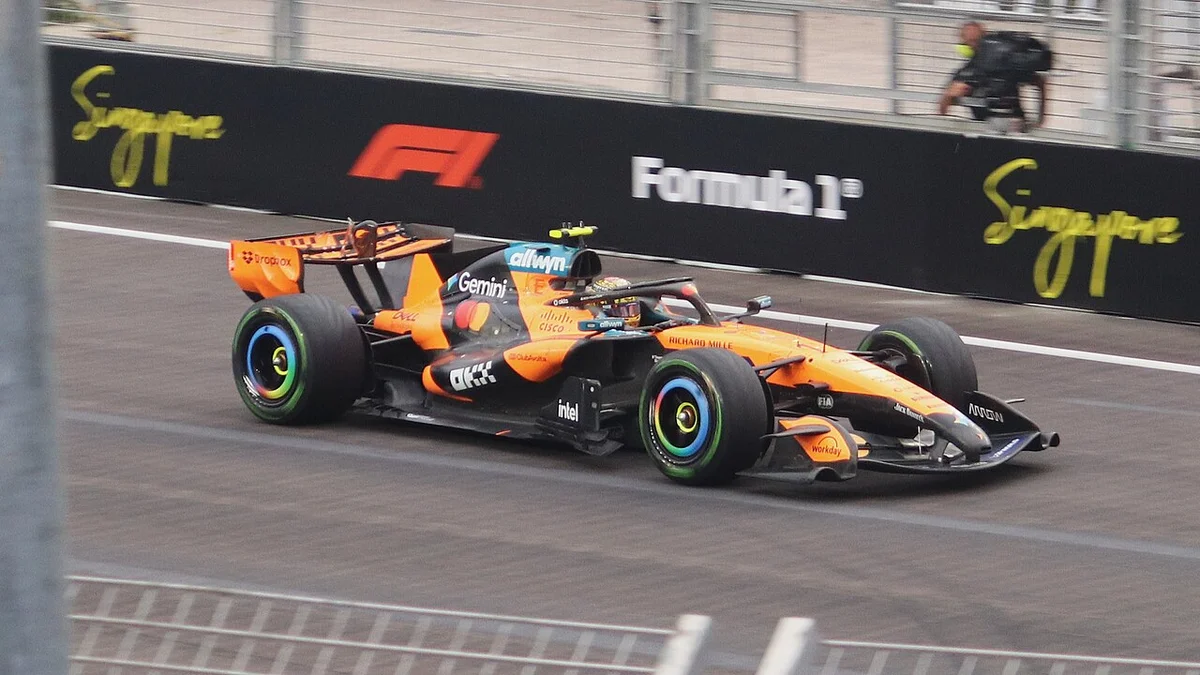


Here's the thing about climbing to the absolute peak of Formula 1: staying there when the rules rewrite themselves is a whole different beast. According to Motorsport.com Brasil, McLaren has been feeling that pain acutely through a turbulent campaign, opening up about the stark hurdles of running as a customer team to Mercedes under the massive 2026 regulations.
Let's be clear, this partnership goes way back. The Woking squad leaned on power units built in Brixworth across two distinct stints spanning from 1995 to 2014, before reuniting for the current hybrid era in 2021. But this latest chapter brought a brutal reality check. Team boss Andrea Stella pulled back the curtain on why their championship defense started on the back foot, calculating that the outfit began the year roughly three months behind in development.
Part of that delay came down to a grueling previous season. While many rivals shifted focus early, McLaren fought tooth and nail for the title right down to the wire in 2025, leaving them chained to their car's development late into the year. But Stella points directly to the complexities of being a customer during a sweeping regulation change as a major factor, noting that integrating an engine built by a third party inherently leaves a team chasing shadows.
"We were not their priority," Stella explained regarding Mercedes, pointing out the German manufacturer's massive internal commitment to getting their own reliable, competitive power unit ready for 2026. He stressed there was no bitterness in the observation, merely a calm assessment of a stressful start that saw both cars fail to even take the grid in China due to reliability gremlins, echoing earlier early-season drama like Oscar Piastri's bizarre installation-lap crash into the wall before the race in Australia due to an energy deployment issue.
The friction didn't stop at sheer bandwidth. Specific engine optimization tools developed jointly by the factory Mercedes team and Brixworth were withheld from customer outfits entirely, blocked by intellectual property rights that Stella admitted he had no strong argument to overturn.
Faced with these walls, internal whispers even toyed with the idea of building their own power units. But CEO Zak Brown quickly pumped the brakes on that ambitious dream, admitting any such massive shift would realistically be a plan for a decade down the line. For now, the focus is strictly on engineering internal solutions to bridge the gap—though given the sheer mountain of work involved, those crucial updates won't hit the track until 2027.


 F1
 F1