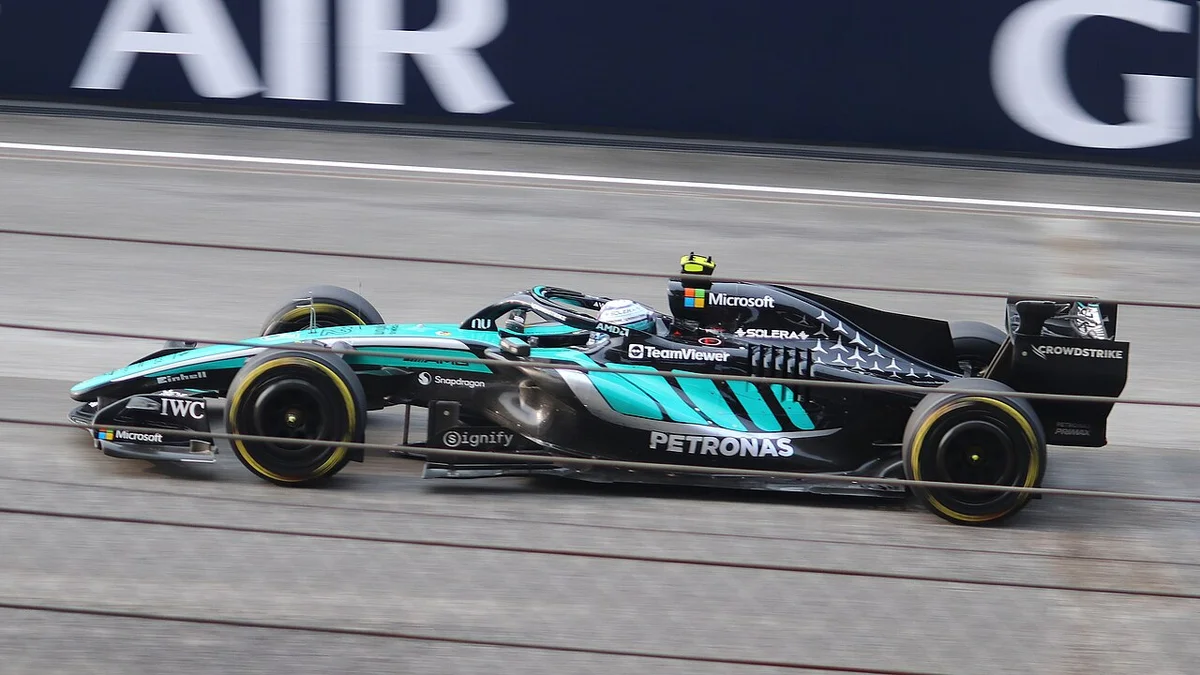


As Motorsport.com Deutschland reports, Mercedes has already wrapped up both world titles in the 2026 season, but team boss Toto Wolff does not expect a return to the long era of dominance the Silver Arrows enjoyed between 2014 and 2021 when they collected eight consecutive constructors' championships. Instead, the Austrian anticipates an extremely tight battle next year with four different teams fully equipped for the fight.
Speaking after the Sao Paulo Grand Prix—where Mercedes secured the constructors' crown following Kimi Antonelli's drivers' title—Wolff made it clear that next season will bring immense difficulties. The work for 2027 is already underway, with the remaining three races serving as a laboratory to pinpoint weaknesses and gather crucial data for the upcoming car and new power unit.
The days of a single team marching away with consecutive titles are likely over, according to the Mercedes boss. Formula 1 outfits have grown so professional across their entire operation and resource pool that performance swings happen rapidly. "For me, it looks like maybe the most fiercely contested era ever is ahead of us," Wolff stated, pointing out that whether a team wins four or eight titles in a row, those runaway seasons are a thing of the past.
That volatility was on full display this very year. Mercedes opened the campaign as heavy favorites, sweeping the first six races, only for upgrades to misfire and drop them down the order. In the slump that followed, Mercedes claimed only one win from the last five rounds, culminating in a Sao Paulo weekend where they missed the podium entirely for the first time this season. Over that recent stretch, the Silver Arrows managed 114 points, while Ferrari collected 132 and Red Bull took 152, alongside McLaren securing their third grand prix victory of the year in Brazil.
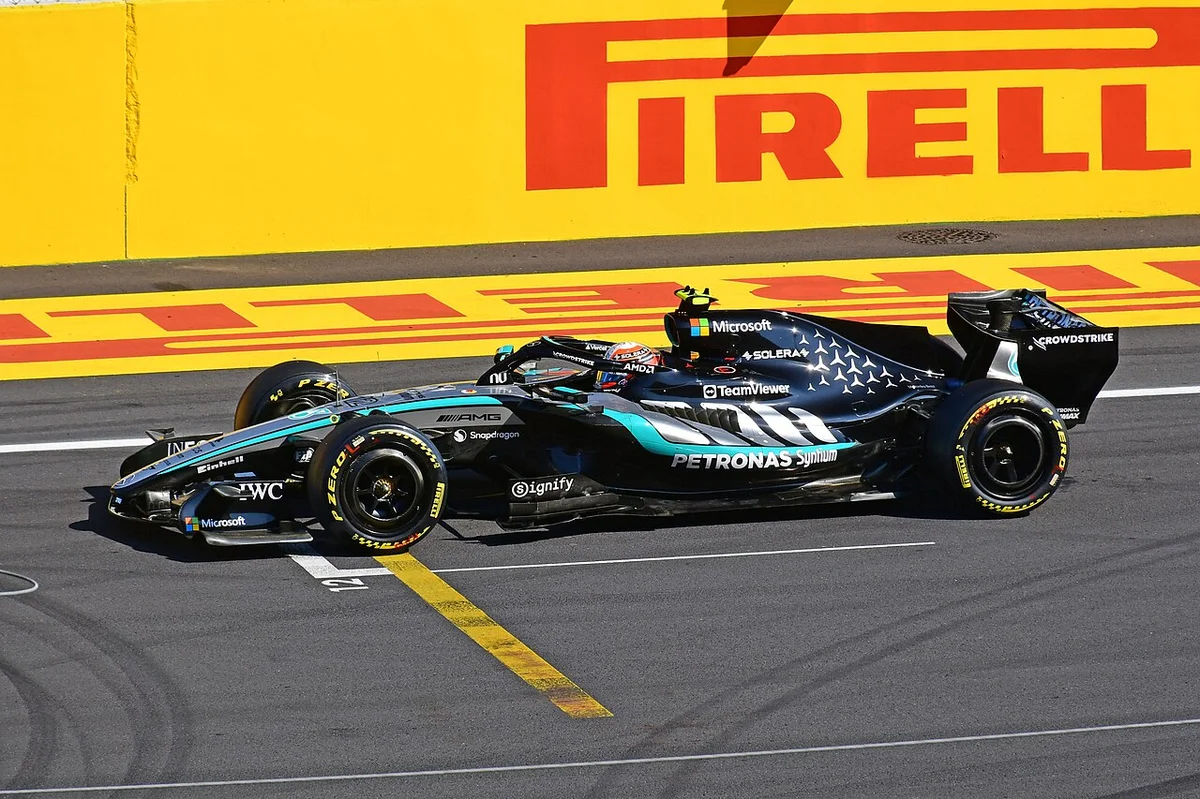
While Wolff admits he would personally prefer an easy cruise to more championships, he acknowledges the current reality and recognizes that this fierce competition is fantastic for the sport. Rival leaders share a similar view on the grid's dramatic convergence.
Red Bull team boss Laurent Mekies admitted surprise at how quickly the front-running group has closed up within the first year of the new regulations, noting that the top five cars in qualifying have been separated by just two tenths of a second. Frederic Vasseur echoed those thoughts, pointing to the fluctuating wins shared by Ferrari, McLaren, and Red Bull throughout the months as development packages swung the pendulum back and forth. For the championship and the show, the Ferrari team principal agrees it is a brilliant development, even if the gap-closing effect might level off slightly in the coming seasons.

 F1
 F1