

When IndyCar announced its updated driver licensing requirements for 2027, raising the bar for feeder series entrants and putting a tighter leash on pure pay drivers, there was a sense of gratification that the sport was pushing toward a higher level of integrity. For years, deep pockets routinely bought seats for drivers with subpar credentials, placing them directly into 750-plus-horsepower Indy cars navigating the unforgiving concrete canyons of St. Petersburg or the lethal speeds of the Indianapolis 500. As Motorsport.com reports, the new rules revealed last month establish clearer benchmarks on paper, requiring at least 12 Indy NXT starts, top-three championship finishes, or multiple race wins over a two-year span to earn automatic Competitively Qualified status.
It sounded like IndyCar finally erected a proper wall. In practice, however, the updated framework is less of a fortress and more of a turnstile, leaving critical backdoors wide open and continuing to rely on subjective discretion where rigid objective standards are desperately needed. The core vulnerability of the system lies in its refusal to commit to an absolute, unyielding standard. Under the updated guidelines, if a driver fails to meet the published performance criteria, they simply slide into the Resume Review Required category, a discretionary route that allows series officials to evaluate non-qualifying drivers case-by-case and grant eligibility through private evaluations.
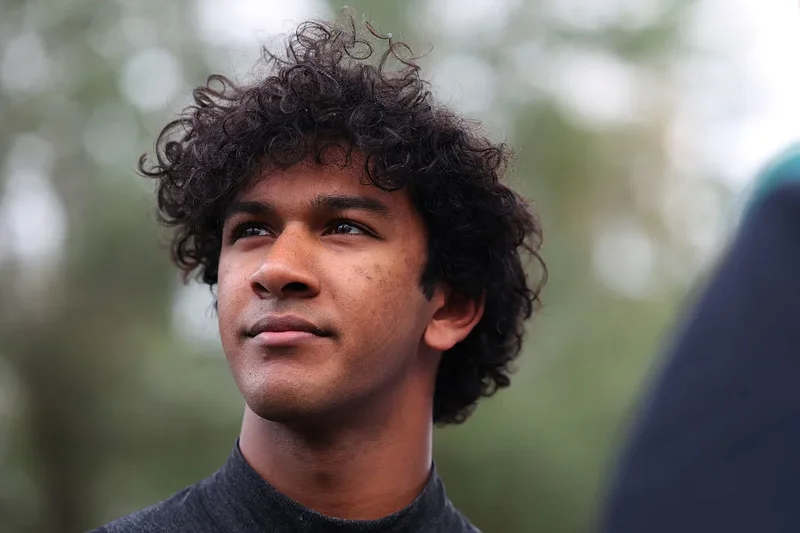
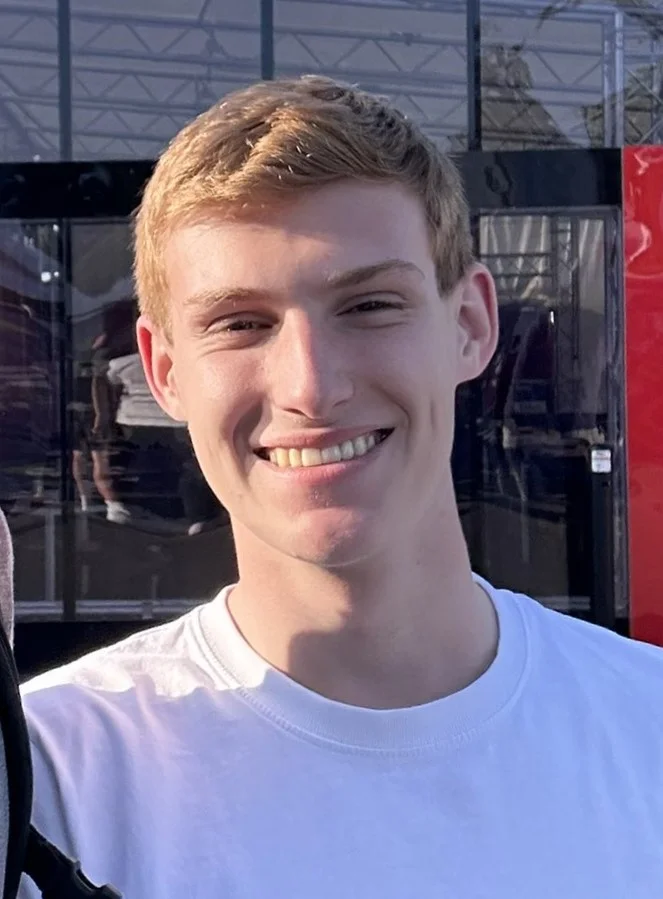
When IndyCar unveiled its updated protocols last month, around the same time rumors began circulating that Josh Pierson was a prime candidate to land at AJ Foyt Racing, members of the paddock immediately labeled the framework the Josh Pierson Rule. After a series-supervised evaluation test on the Indianapolis Motor Speedway road course, Pierson was promptly cleared for competition. His Indy NXT record, capped by sixth- and eleventh-place championship finishes across the last two seasons alongside a solitary win at WeatherTech Raceway Laguna Secca, was far from the standard required for automatic clearance.
Yet, armed with multi-million-dollar backing rumored to be around $25 million for two years and a seat waiting at Foyt, Pierson satisfied basic pace and control metrics under the eyes of series officials and former driver Davey Hamilton, making his approval a foregone conclusion. The situation immediately invites a deeper comparison to Kyffin Simpson, whose path to IndyCar with Chip Ganassi Racing was widely cited when discussions around stricter entry standards began. While Simpson came up through Indy NXT with ninth- and 10th-place championship finishes, his broader resume carried genuine weight: he was securing poles and podiums in his second NXT season, had captured the Formula Regional Americas Championship, and captured a European Le Mans Series title in 2023 on the back of two wins and five podiums. Pierson, by contrast, presents a far lighter statistical record.
Compounding this structural breakdown is IndyCar’s ongoing gap in pre-licensing oval evaluation. Bouncing between permanent road courses, concrete-walled street circuits, and 220 mph superspeedways requires fundamentally distinct disciplines. Yet under the current framework, an evaluation test conducted exclusively on the Indianapolis Motor Speedway road course is treated as a blanket clearance. If private evaluation tests are going to remain part of the licensing rulebook, the evaluation process itself must require a dedicated oval test at a short oval like Milwaukee or World Wide Technology Raceway.
If IndyCar wants to move past paddock cynicism and subjective review panels, it needs to stop relying on closed-door boardroom discretion. Critics often point to Formula 1’s FIA Super Licence as overly bureaucratic, but it possesses one undeniable strength: clarity. To race in F1, a driver needs 40 points accrued objectively over three years. IndyCar’s hybrid model, by contrast, invites paddock politics and compromises competitive integrity. Until the series closes its own loopholes, the updated licensing standards will remain an exercise in good intentions.