
Look, nobody said modern MotoGP was going to be kind to a giant rewriting its DNA. As Motorsport.com Italia reports, Yamaha knew exactly what it was walking into when it pulled the plug on its iconic inline-four engine architecture. After Suzuki bowed out, Iwata remained the lone defender of that traditional layout for 18 years. But facing the incoming 850cc regulations and tighter aerodynamic limits for 2027, the house of Iwata made the brutal call to bring the V4 engine forward by a year, accepting a season of immense suffering to fast-track development.
That suffering has genuinely arrived. Yamaha Motor Racing Managing Director Paolo Pavesio didn't sugarcoat the reality of where the project sits right now, admitting they find themselves at the lower end of their anticipated performance bracket. Reliability struggles hit them hard, and when the engine isn't stable, the lap times simply vanish. The previous inline-four layout worked wonderfully for nearly two decades, but the entire championship moved in a specific direction—including tyre manufacturers building rubber around completely different machine concepts. While last year's bike could pull off a fast qualifying lap, it tore through tyres in the races, starved of traction and unable to cleanly put down its horsepower.
Even so, the numbers don't tell the whole technical story. In 15 Grands Prix, Yamaha has scraped together just 84 constructors' championship points with only two top-five finishes. Yet Pavesio points out tangible progress in the mechanical grip department. The machine accelerates well out of slow corners now, meaning riders aren't getting completely humiliated down the straights in "Mugello-style" passes the way they used to, a dynamic clearly visible exiting the final chicane behind the back straight at Aragon. The chassis is born healthy, but frustration remains because once the bike shifts into fifth and sixth gear, the dyno numbers at the base in Gerno di Lesmo and Iwata lay bare the lack of top-end power.
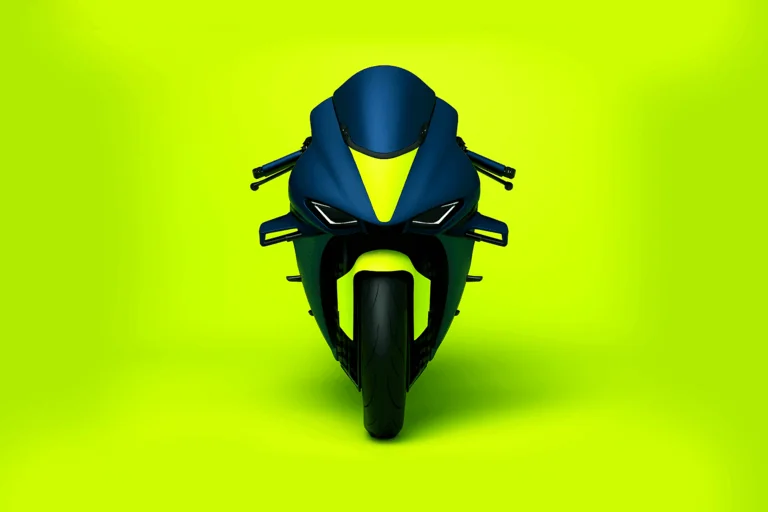
Bringing the V4 project forward was a mandatory survival tactic for 2027, when new rules drastically restrict aerodynamic width and outlaw ride-height devices, forcing everyone toward a V-configuration anyway. Rivals already held massive institutional knowledge with V-engines while Yamaha had to learn from scratch every single day. Testing has involved running a 1000cc-based "Frankenstein" hybrid machine as an interim stepping stone. Without the V4 already in active use, they wouldn't even have turned a wheel with that prototype.
The final rounds of the current campaign remain vital for introducing further updates, and the first serious private tests of the 2027 base—including an outing behind closed doors at the Red Bull Ring—show encouraging signs. While the 2026 M1 machine lost some of that historic Yamaha DNA regarding corner entry and turning ease, early feedback suggests the 2027 project has successfully rediscovered that lost agility. Throw in the massive unknown of how everyone will adapt to the tyres, and the 2027 landscape is shaping up to be a fascinating battleground.