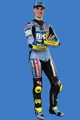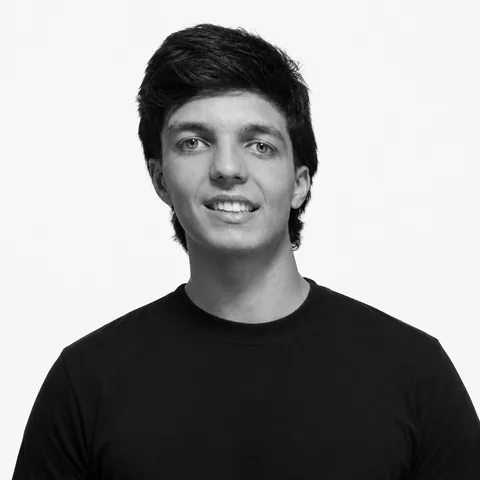
As Motorsport.com Italia reports, Yamaha Motor Racing Managing Director Paolo Pavesio sat down for an extensive interview during a damp Thursday at Misano, pulling back the curtain on the Japanese manufacturer's sprawling global plan to fight back to the front of MotoGP and beyond. Stepping into the shoes of a historic figure like Lin Jarvis after 24 years inside the company, Pavesio took over at a delicate turning point. The old recipe was no longer winning, and Yamaha has radically shifted its approach by bringing technical management in-house in Italy over the last two years, tapping into the unique ecosystem of young engineering graduates and university suppliers. It is a massive structural transformation, born from the realization that the old winning blueprint simply stopped working.
The much-discussed V4 engine project, introduced twelve months ago, has faced a brutal reality check. Yamaha finds itself at the lower end of the performance bracket, primarily hamstrung by reliability struggles that choked early development. While the bike delivers strong acceleration out of corners compared to the old configuration that chewed through rear tires, the lack of top-end power in fifth and sixth gear brings genuine frustration. Yet, Pavesio insists the gamble was forced upon them anyway, as upcoming 2027 aerodynamic width regulations demand a V-engine architecture. That same frustration occasionally boiled over for Fabio Quartararo, whom Pavesio describes as understandably frustrated yet misguided in his public outbursts. Following a long clear-the-air talk ahead of Misano, the team is fully focused on squeezing maximum performance out of their remaining seven races together.
Looking ahead to the 2027 regulatory reset, Yamaha's test team is already running early shakedowns in Europe with prototype 850cc machinery. Interestingly, Toprak Razgatlioglu is the only current full-time rider to test the 2027 machine so far, running a hybrid setup at the Red Bull Ring. While Razgatlioglu has endured a challenging rookie MotoGP campaign heavily shaped by Michelin tire adaptation struggles and early chattering issues at Assen, Pavesio remains firmly convinced of the Turkish star's raw talent. Meanwhile, the future lineup is already locked in with massive coups: Jorge Martin and Ai Ogura will arrive for 2027. Securing Martin brings a reigning world champion into the fold who felt genuinely wanted by a struggling factory willing to invest heavily, while landing Ogura adds a fiercely fast Japanese talent who could potentially awaken a dormant motorcycle passion back in Japan, where domestic rider culture has steadily faded.

Changes loom large elsewhere in the Yamaha racing ecosystem too. Jack Miller is moving on from the premier class but stays firmly in the Yamaha orbit as a marquee talent destined to star in the World Superbike paddock aboard the R1. Stepping up to MotoGP in his place is Izan Guevara, a product of the rapid Moto2 project built from scratch by Gino Borsoi and Alex De Angelis. Guevara earned his promotion by fighting at the sharp end of the Moto2 world championship on a distinctive machine, proving the squad's development ladder actually works. Further down the pipeline, Yamaha is diving headfirst into the brand-new single-engine Moto3 class arriving for 2028, utilizing a bespoke 500-700cc twin-cylinder production engine designed right out of Gerno di Lesmo.
On the commercial horizon, Pavesio views Liberty Media's eventual heavyweight arrival in MotoGP with cautious optimism. Drawing parallels to Formula 1, he believes that provided they preserve the dangerous, athlete-centric, and raw essence of motorcycle racing rather than over-sanitizing the show, commercial growth and sustainable team business models can only benefit the paddock. After all, unlike four-wheel racing where major automotive brands do not sell road cars off the back of a grand prix win, Yamaha and its Japanese rivals rely directly on the showroom floor. The road back to glory is steep, but the machine is moving.