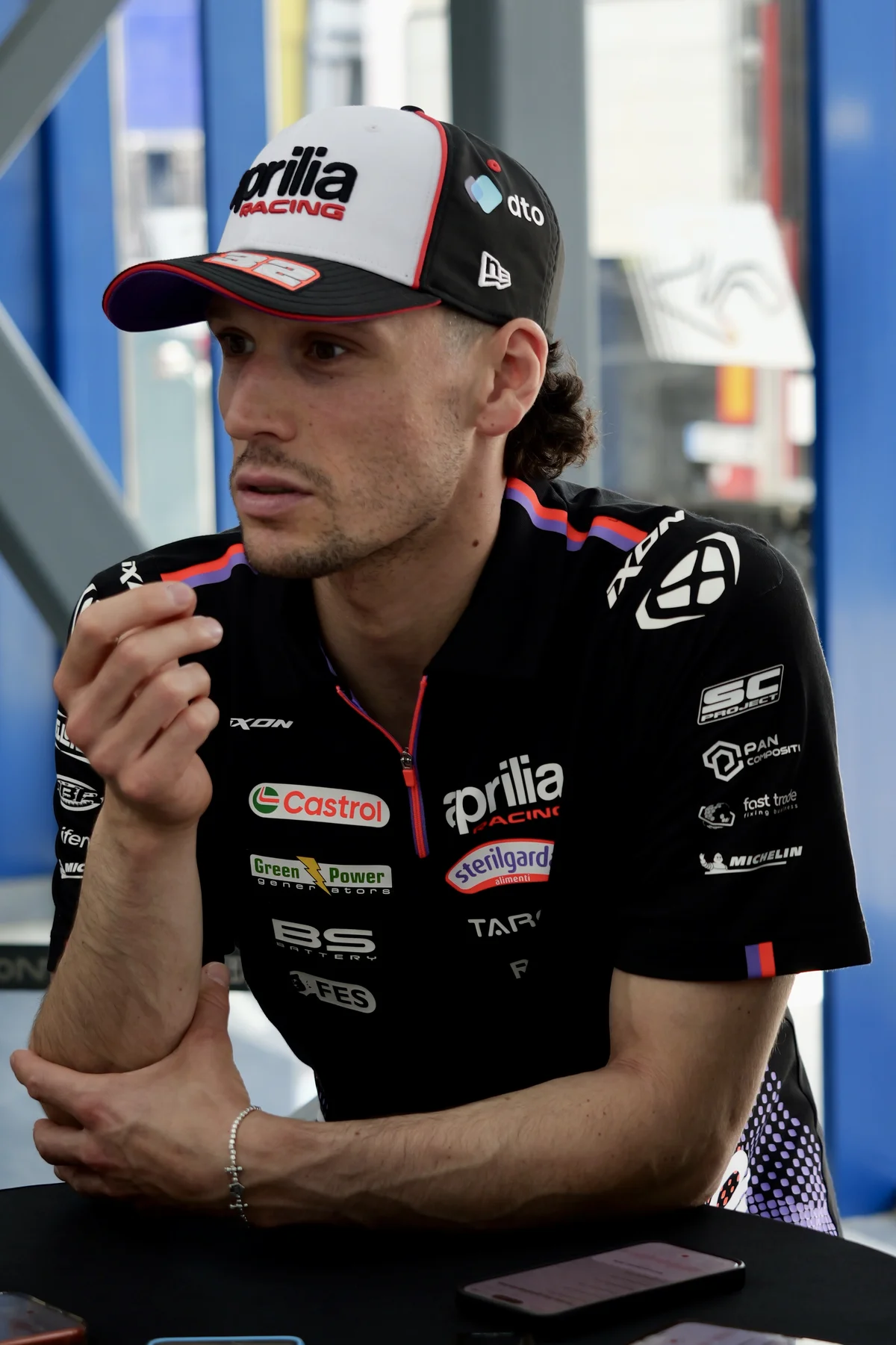

Here's the thing about modern MotoGP development: you can trim the displacement and try to banish the aero, but the engineers will always find a way. As Motorsport.com Brasil reports, Aprilia is putting serious muscle into the aerodynamic design for the upcoming 850cc era, and we got an early look at what they are cooking up. Test rider Lorenzo Savadori dropped a photo of the 2027 machine on social media following a testing session at Jerez, giving us a front-row seat to the technical department's latest work under Fabiano Sterlacchini.
Now, keep in mind this machine is still very much a prototype. It is going to look quite different by the time it makes its official debut at the Valencia test scheduled for December 1st. Even so, that Instagram snapshot revealed some fascinating ideas already taking shape on the front end.
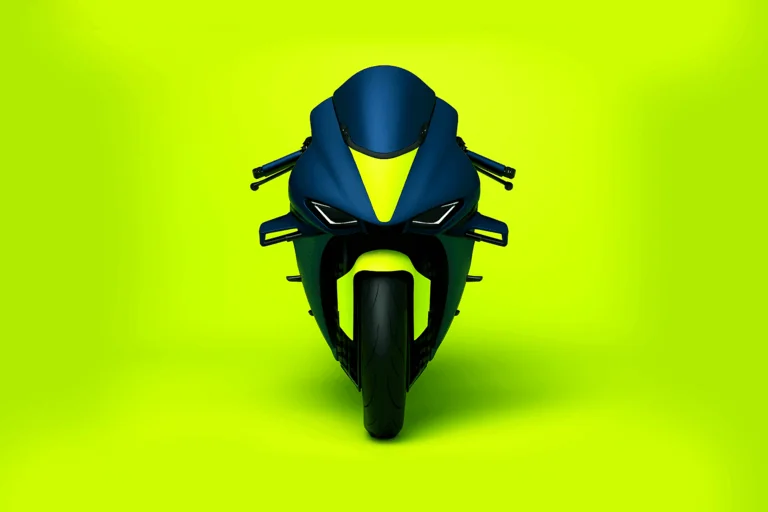
Look closely at the front wing, and you will notice it uses two mounting supports. That clever arrangement leaves a wider gap between the single curved profile and the front air intake, which lets a much larger volume of air flow directly through that zone. But the real headline-grabber is a series of overlapping fins taking the place of the old fork wing. Because the 2027 rules strictly forbid aerodynamic parts from extending beyond the outer edges of the suspension fork, Aprilia has tucked this new assembly inward.
A vertical fin now extends downward from the front fairing, partially wrapping around the suspension leg. A small bracket links it to the front wing while also supporting a second, more complex element designed specifically to plant the front end into the tarmac without dragging the machine down with excessive air resistance. It is proof positive that aero is not going away anytime soon, no matter how hard rulemakers try to dial it back.
Computational fluid dynamics and wind tunnel work are already carving out entirely new pathways for development. The narrative that the next generation of bikes would represent a massive step backward in aerodynamic performance is starting to crumble.
Track conditions improved as Wednesday rolled on, letting lap times drop as the circuit slowly dried out. Nicolò Bulega of Ducati topped the timesheets, with the newly crowned Superbike world champion stopping the clock at 1min39s253 aboard the GP27. That put him just over three tenths clear of Savadori, while KTM rider Pol Espargaró ended up third, half a second behind the Aprilia test rider. Nobody was out there hunting glory runs or absolute quali laps, of course; the real mission was gathering hard data on these fresh aero concepts ahead of that crucial Valencia test.
 MotoGP