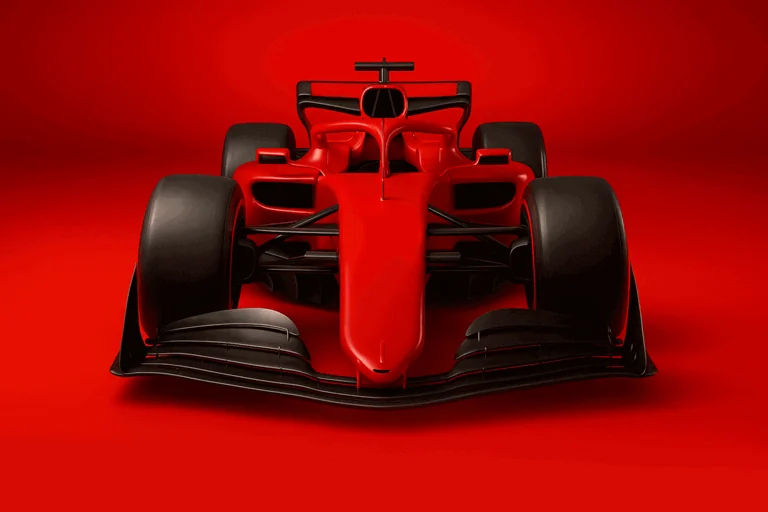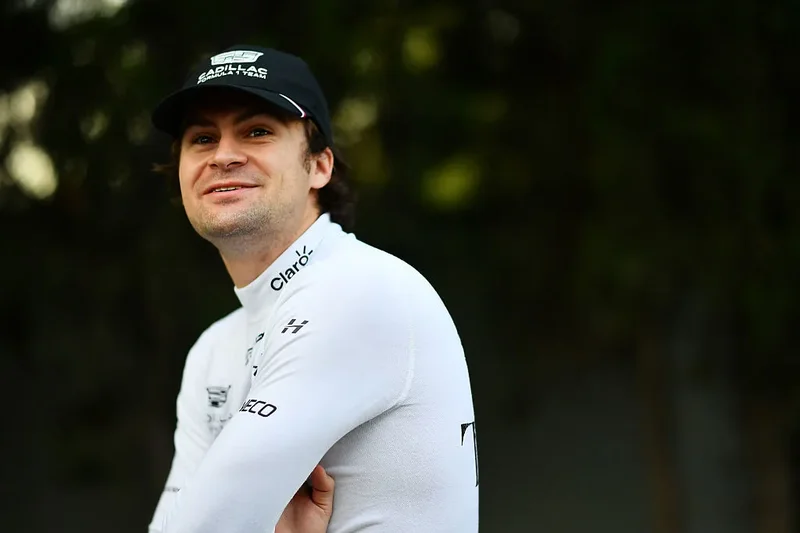

There is a lot of noise in the headlines right now, but according to Motorsport.com Italia, the FIA insists that Formula 1 will race in Qatar and Abu Dhabi as planned. With tensions simmering across the Middle East due to the ongoing conflict between the US and Israel on one side and Iran on the other, earlier rounds in Bahrain and Arabia Saudita had already been called off or relocated, with Bahrain's postponed event moving to Malaysia. Shipping attacks in the Strait of Hormuz and a missile strike on King Khalid International Airport in Riyadh—which left 13 dead and prompted the UK to send fighter jets to aid the Saudi government—have naturally cast long shadows over the end of the season.
Yet, the people running the show are standing firm. Stefano Domenicali previously maintained that visiting the Gulf remained the primary plan, with Imola kept as a backup if things escalated further. Now, those rumors of cancellation are fading away entirely, and the MotoGP calendar has similarly locked in its rescheduled Qatar round for November.
FIA president Mohammed Ben Sulayem has stepped forward to clear the air, pointing out a very personal reason for his confidence. As he noted, his own children live in the region, and he would never expose his family to genuine danger. What people read in the news, he argues, looks entirely different from the reality on the ground where normal life continues without those dramatic scenes flashing across television screens.
Of course, nobody can predict the absolute future, but for today the situation remains calm and the races are happening. The FIA boss stressed that he values his federation's staff just as much as his own safety, confirming they feel secure enough to travel and work there. Contingency plans are still being polished just in case travel restrictions pop up unexpectedly. Drawing on lessons from the Lebanese round of the FIA Middle East Rally Championship—where officials from Cyprus, Greece, and Jordan stepped in—a backup team of marshals and race directors is being kept ready via local national sporting authorities (ASNs) to ensure events never run short of vital personnel.
Ultimately, the message is clear: motorsport finds a way forward. While the future of the Dakar rally beyond 2027 remains an open question with a potential move to Morocco on the table if Saudi Arabia becomes unviable, the immediate focus stays fixed on closing out the championship under the lights in the Gulf.