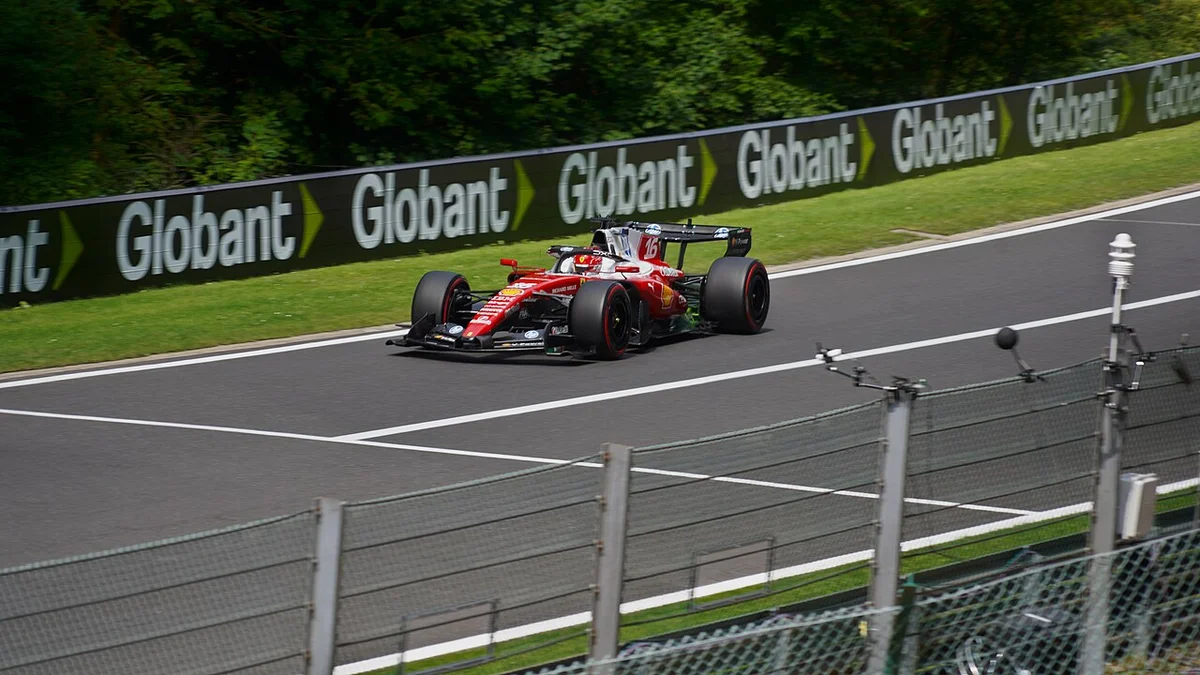


Here is the bitter truth: Marina Bay is no longer Ferrari territory. As Motorsport.com Italia reports, the SF-26 arrived at a twisty circuit where the red machine was supposed to shine, only to find itself behind Red Bull and Mercedes in the Sprint qualifying, while also heavily pressured by McLaren. Even on a track devoid of proper long straights, Charles Leclerc and Lewis Hamilton were losing 4 to 5 km/h on every single acceleration zone.
There was a time when Ferrari could rely on having the superior chassis and aerodynamic package to conquer circuits like Monaco, the Hungaroring, Zandvoort, Madrid, and Singapore. The introduction of the 067/6 power unit featuring ADUO2 at Monza was supposed to bridge the gap to Mercedes and Red Bull-Ford. Unfortunately, that performance leap simply never materialized for the Prancing Horse. Rivals have not only maintained a power advantage estimated at 20 horsepower, but they have also taken massive leaps forward with their entire vehicle concepts.
The clearest example of this shift is Red Bull mastering the Singapore weekend. A supreme Max Verstappen extracted every ounce of lap time from the RB22, heavily aided by updates brought since Baku. Charles Leclerc offered a characteristically blunt assessment of the situation: “For three or four races we have lost a bit of pure performance, we are not fast enough to fight with the others for the moment.” It is a stark admission of inferiority that leaves little room for optimism.
Execution was hardly the main culprit here, though Q3 saw Ferrari opt for a single tire cooling lap between runs. Even poleman Max managed the exact same strategy without struggling to put his tires into the correct operating window. Instead, the fundamental issue is that whatever the SF-26 gains through the twisty sections of Marina Bay is utterly wiped out everywhere else. That 4 to 5 km/h deficit against the Red Bull opens up immediately after the initial phase of acceleration, establishing a superior average speed the moment the wheels are straightened.
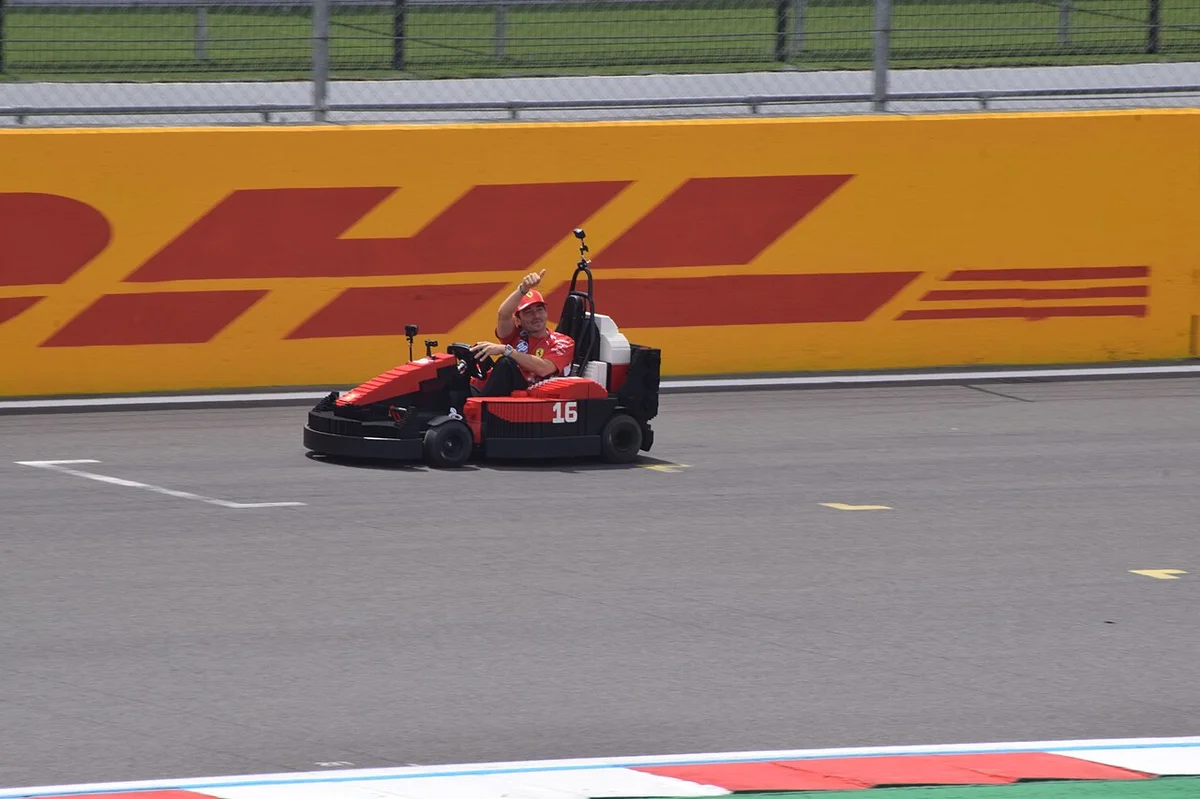
This puzzling behavior became glaringly obvious in Q3 when the field switched from medium to soft compounds, as if the extra grip turned the aerodynamic load into sheer drag. In opening practice, Leclerc ran with the standard Macarena wing while Lewis Hamilton initially opted for the heavier tree setup featuring three central auxiliary profiles. Eventually, even the seven-time world champion abandoned that heavier configuration in search of straight-line speed, though the lap times failed to meet expectations. Do not be surprised if the Briton, who notoriously favors a locked-down rear end, radically alters his setup to chase vertical grip at the expense of mechanical drivability.
The great paradox of the current Ferrari is that the machine looks stunning and changes direction with incredible agility, but when the stopwatch stops, it is simply too slow.