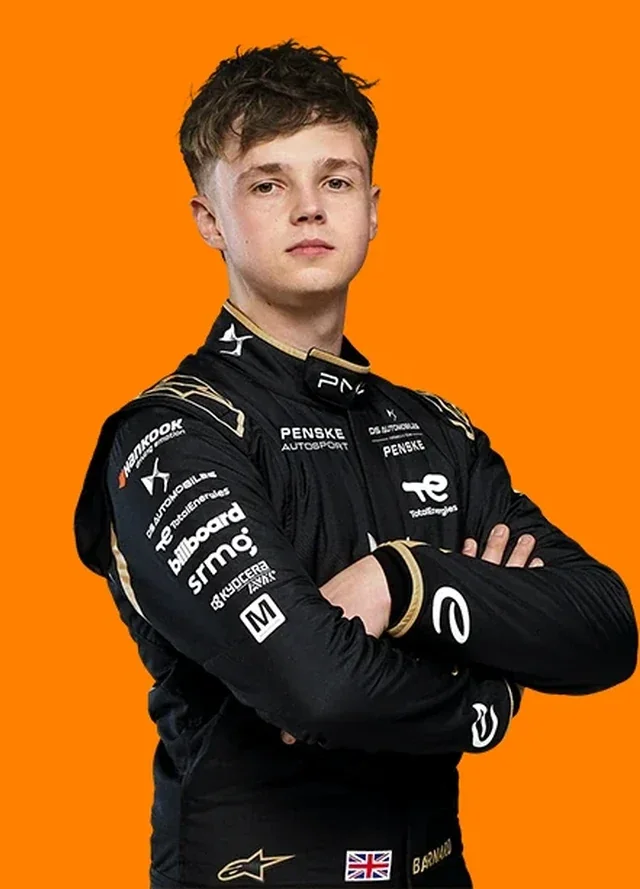


The official Formula E pre-season test with the new gen4 machinery at Jarama hit a dramatic snag in its final moments when Taylor Barnard's car caught fire, as Motorsport.com Deutschland reports. Thankfully, the Briton emerged unhurt, and both the FIA and Formula E have confirmed an investigation will uncover the root cause. Fires remain exceptionally rare in the championship's twelve-year history thanks to strict safety rules, meaning this scare merely overshadowed an otherwise overwhelmingly positive three-day outing plagued by only minor hiccups.
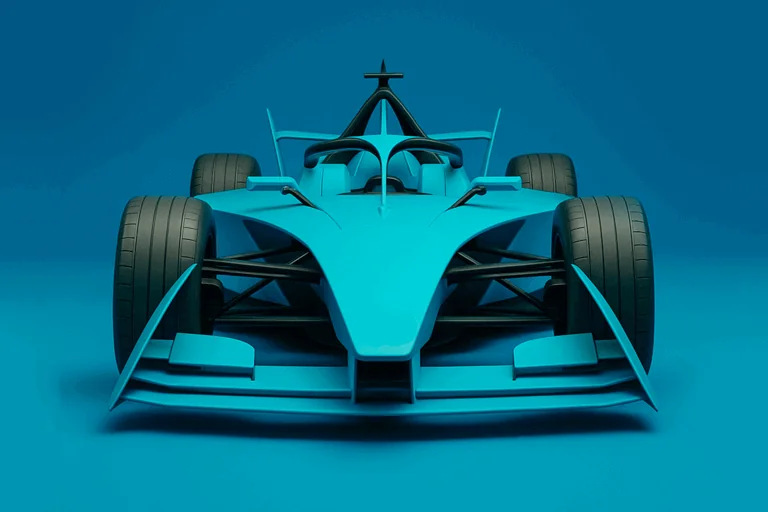
Before that late-session drama, Pablo Martino, Formula E championship manager at the FIA, offered an upbeat assessment of what teams and governing bodies learned. Simulation work can only reveal so much, making real track time invaluable. Drivers with pedigree in Formula 1 and the WEC are already calling the gen4 the most advanced racing car they have ever piloted. Packing an active front axle differential—a unique feature in formula racing—alongside permanent four-wheel drive, traction control, and torque vectoring, the machine gives engineers staggering setup flexibility that arguably eclipses a modern Formula 1 car.
Mitch Evans compared the beast directly to past machinery, noting that while he drove something somewhat similar in the past, namely the LMP1 Porsche, the gen4 stands alone. Mastering the software and engineering demands proves a massive challenge for drivers and teams alike. Early running suggests Porsche and Stellantis brands Citroen and Opel are stepping up as early favorites. Porsche picked up right where they left off in the gen3 era with stellar performance and reliability—barring Barnard's customer car issue—while Opel and Citroen capitalized on private testing confidence. Meanwhile, Jaguar and Nissan faced reliability hurdles, prompting Oliver Rowland to admit Nissan must target specific improvements to fight back to the front in the second half of the season.
Engineered purely for maximum performance, the gen4 pushes 600 kW in qualifying mode and carries more than double the downforce of its predecessor. That massive aero leap makes the cars vastly more fun to pilot despite retaining a mechanical soul. Teams chased underbody performance during Jarama by running extreme low ride heights to harvest downforce, causing intense spark showers in high-speed sections as floors scraped the asphalt. Yet, unlike pure aero formulas, the car refuses to run on rails; pushing it through hard braking zones and rapid corners demands real driver feel and grit.
Perhaps the most vital revelation centers on racing quality. Fears had mounted that the increased downforce and resulting dirty air would cripple wheel-to-wheel battles. However, data gathered from two simulated races during the test proved reassuring. Both driver feedback and telemetry indicate that dirty air has minimal impact, particularly in low-downforce setups, matching earlier FIA simulations. Energy consumption effects are similarly mild, removing any incentive for drivers to intentionally drop out of the lead early in races to save energy—a tactical headache occasionally seen in the gen3 era. Martino confirmed that track observations align with wind tunnel and CFD predictions, pointing to clean following abilities and close racing ahead once actual race dynamics are thoroughly tested.
 Formula E
 Formula E
 Formula E
 Formula E
 Formula E
 Formula E