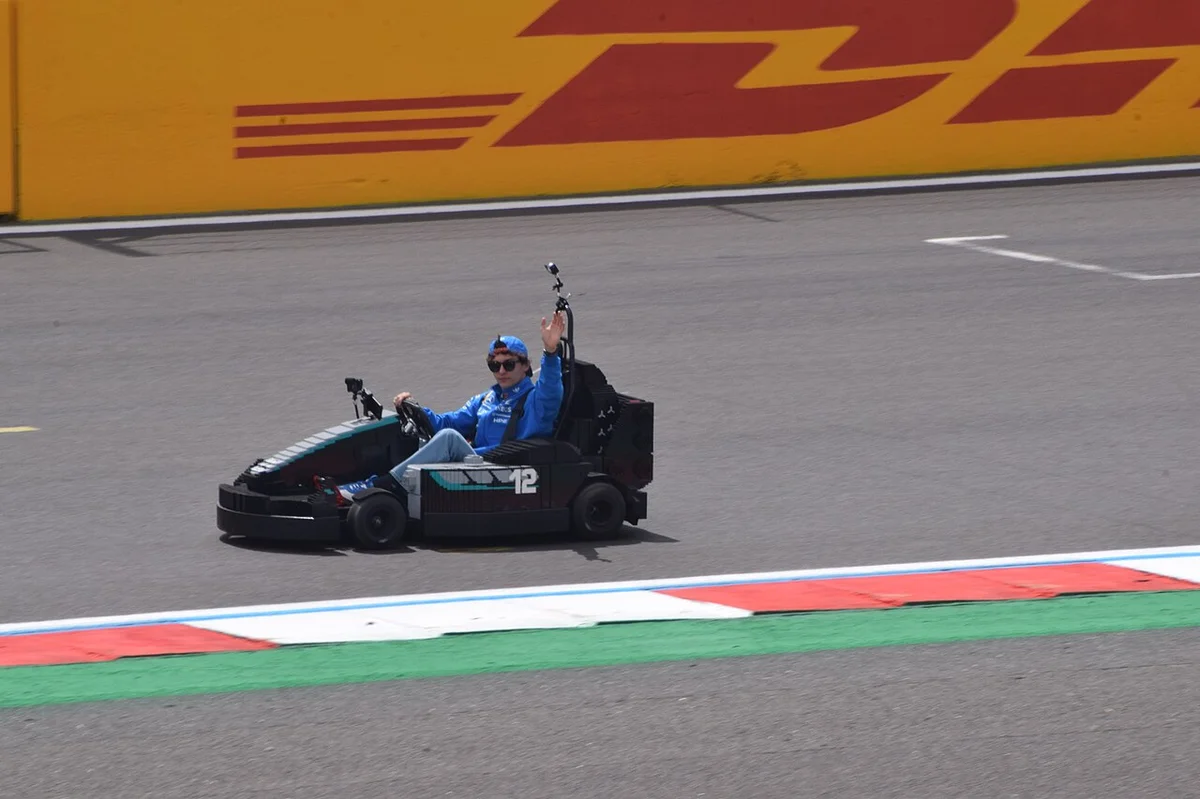


That said, the numbers coming out of the factory do not tell the whole story. As FormulaUno.it reports, the updates brought to the W17 have left the engineers at Brackley unsatisfied, not because the raw figures are wrong, but because of how the machine actually behaves on the asphalt. While the aerodynamic load has indeed grown and drivers can feel the benefit through high-speed sections where the beast runs much better, the slow corners are a completely different disaster. The balance sits far too heavily on the rear, generating massive understeer as the aero fails to shift forward during those phases the way the simulations promised.
At Sepang, the team had to slap on an artificial setup fix that they fundamentally did not want to use, simply because it was the only option available in the short term. The core doubts remain so severe that the squad is currently considering a direct comparison test between the two aerodynamic packages during the opening practice session at Singapore, a terrifying gamble given it is a sprint weekend with qualifying already locked in for Friday. Whether this is an intrinsic flaw of the new parts or merely amplified by the aging asphalt at Sepang remains to be seen, but Singapore should offer a brutal reality check.
Meanwhile, Kimi Antonelli limited the damage in Malaysia by securing second place after a solid drive, bouncing back brilliantly from a dreadful qualifying error in Baku that had shoved him to the back of the grid. Even with Mercedes rolling out what was practically half a new machine in Malaysia, there was a real risk that the W17's fresh traits would suit George Russell better. Yet Antonelli delivered just like he has all season, outperforming his teammate once again while Russell failed to replicate his sparkling Azerbaijan pace even with the new parts.
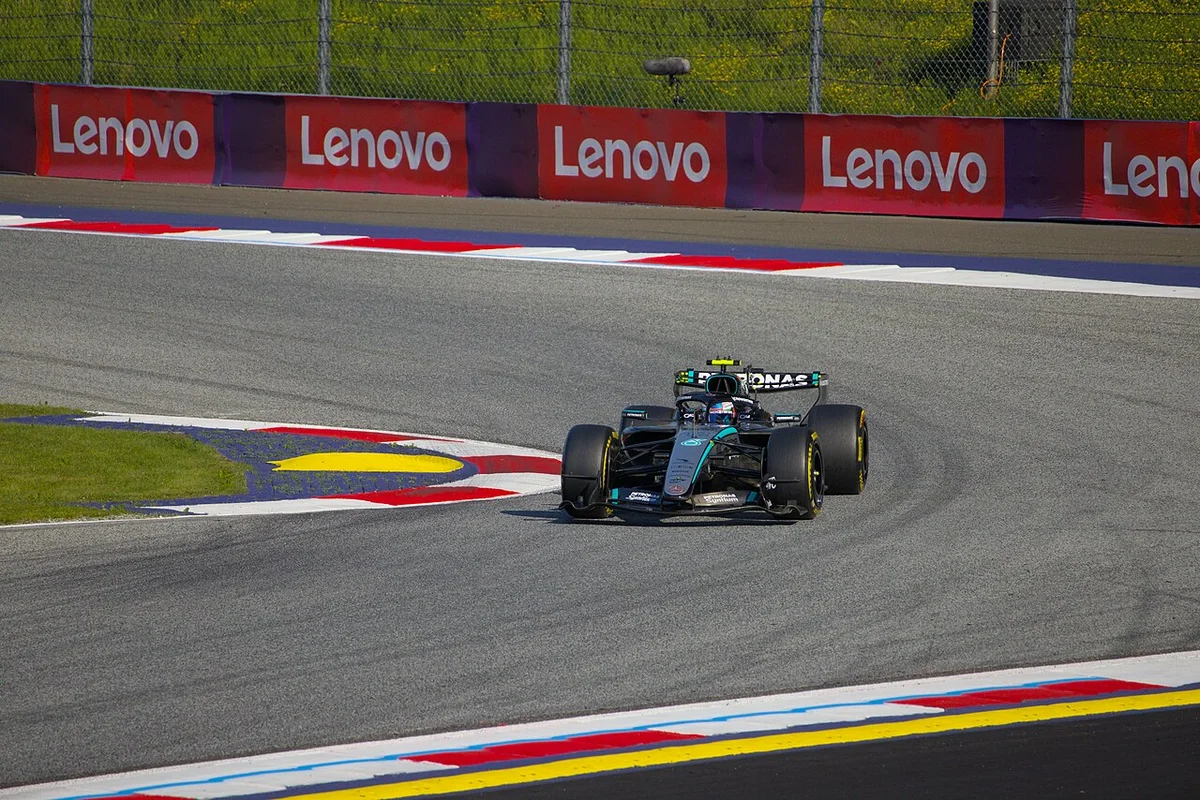
Unfortunately, Russell's weekend ended in another agonizing zero after a power unit failure dealt a massive blow to his championship aspirations, widening the gap to the summit where Antonelli sits comfortably. The English driver will now be forced to change his engine at Singapore, as reviving his oldest, highest-mileage power unit is practically off the table. Russell had gambled heavily by stretching his previous allocation in hopes of waiting for a new, evolved turbocharger originally slated to arrive alongside an engine change at Austin. The initial conservative plan was to swap the engine at Baku and then swap again for the upgraded component, but the strategy was altered at the last moment to absorb only a single penalty at Austin.
Now, Mercedes is scrambling in a race against time to pull the introduction of the new turbocharger forward to Singapore to save their driver from a double penalty, a frantic pivot for a team that had no intention of swapping engines for either driver just days prior. For Antonelli, the original strategy remains unchanged: swap only the turbocharger at Austin to the ADUO specification without taking any grid penalties. However, a very real plan B is on the table. Given Russell's reliability woes and the grueling demands of a calendar that now features extra rounds like Qatar and Abu Dhabi, taking a second engine component penalty—including the internal combustion engine—might be the smartest play for the championship leader. Trading a few grid spots for a bulletproof final five or six races could be worth its weight in gold.