
As Autosport reports, a fresh technical blunder overshadowed the Singapore GP sprint qualifying session, with the governing body confirming that human error triggered an unexpected malfunction with the cars' power deployment. The drama unfolded after SQ1 was halted by a red flag when Sergio Perez hit the barrier at Turn 5 and shed his damaged front wing on the way back to the pits, forcing race control to pause proceedings for debris clearance.
Once the action resumed, drivers immediately noticed strange things happening. Lap times failed to register properly on the system, and several competitors discovered they were suddenly lacking expected power. Drivers suspected a repeat of the software bug that had hit the Bahrain Grand Prix in Malaysia just a week earlier, with many told the FIA was responsible for the power deficit.
During the first period of sprint qualifying there was a human error in Race Control unrelated to the timing issue also encountered in SQ1,
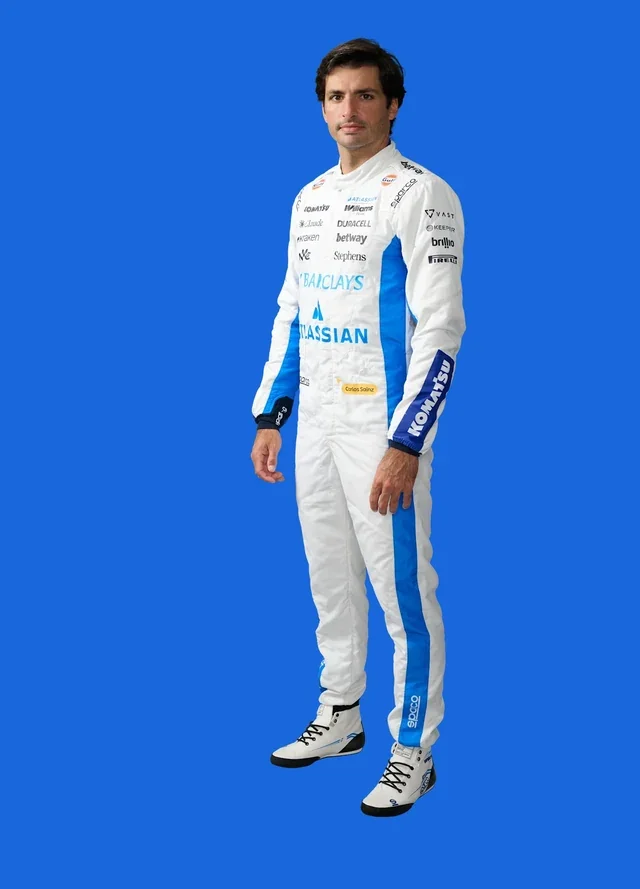
Carlos Sainz, driving for Williams, pointed out the stark inequality during the session after being eliminated in SQ1. "We only got one lap. We had some brake issues," said Carlos Sainz. "But on top of that, half the cars did the lap with an engine half a second quicker than the others. There was another software issue this time around and we were on the bad end of it. For whatever reason, the FIA, like Malaysia, didn't decide to sort it quickly and were happy to do half of the cars in quali with higher power than the other half of the cars. So a bit confused why the sport keeps doing different things depending on who is out in Q1 and who is out in lap one."
Despite the paddock's suspicions of another software failure, the governing body stepped in with a different explanation. An FIA spokesperson clarified that the power discrepancy stemmed from a mistake by race control regarding Overtake Mode, the system granting drivers an extra half-megajoule of energy that dictates both push-lap pace and out-lap tire preparation.
"During the first period of sprint qualifying there was a human error in Race Control unrelated to the timing issue also encountered in SQ1," explained the FIA spokesperson. "This issue in question meant overtake mode was not available after the red flag period during SQ1. When it became apparent that overtake mode was not active after the restart, it was then activated for a period of 27 seconds before being deactivated again. The FIA acknowledges that this unfortunate human error had an impact on the performance of certain cars based on the timing of their run and their position around the lap. The second and third periods of sprint qualifying were not affected."
While the blunder was ultimately pinned on human mistake rather than code, it lands as another bruising moment following the farcical scenes at the Bahrain Grand Prix. Besides Carlos Sainz, those affected by the Singapore hiccup included Kimi Antonelli, Charles Leclerc, and both Aston Martin drivers.