

Here is the thing about MotoGP: even with a major technical rules reset looming on the horizon, the engineering war never actually slows down. As Motorsport.com reports, the relentless hunt for aerodynamic performance has shifted its focus to a fascinating new battleground, with Ducati quickly mirroring a design innovation introduced by its rivals.
It all started when Aprilia rolled out two vertical fins extending upwards from the rear section of the RS-GP's swingarm at Silverstone after the summer break. The goal here is simple yet vital: taming the chaotic turbulence churned up by the rear wheel. Aprilia kept running the parts regularly, and it did not take long for Ducati engineers to take notice.
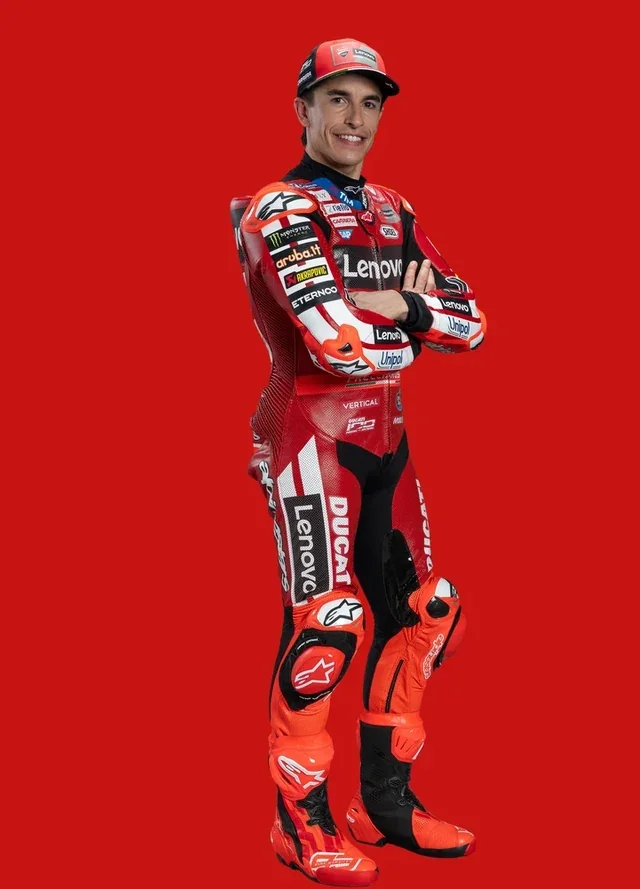
At Phillip Island, a remarkably similar design popped up on the Desmosedici GP ridden by Marc Marquez. The results on track must have looked good in the data, because Marc Marquez kept using the hardware right through the opening day of practice at Sepang, where he topped both sessions.
Naturally, Aprilia refused to let the copycat go unanswered. The Noale-based manufacturer brought an upgraded, more advanced evolution of the concept to Malaysia, fitted directly to the RS-GP of Marco Bezzecchi. This new iteration features a distinct angled L-shape design that stretches not only upwards, but also toward the rear of the machine.
What makes this arms race so wild is that we are staring down the final four rounds of the current regulatory era. Yet, teams are still pushing hard because these clever little pieces might just carry over value into 2027. The upcoming aerodynamic restrictions mainly target lateral dimensions, and these swingarm components sit comfortably inside the widest points of the fairing.
Even better for the engineers, while the upcoming 850cc regulations demand strict homologation for tail units, they leave swingarms entirely unmentioned. That leaves the door wide open for these clever aerodynamic fairings to remain a massive development battleground next season.
 MotoGP
 MotoGP