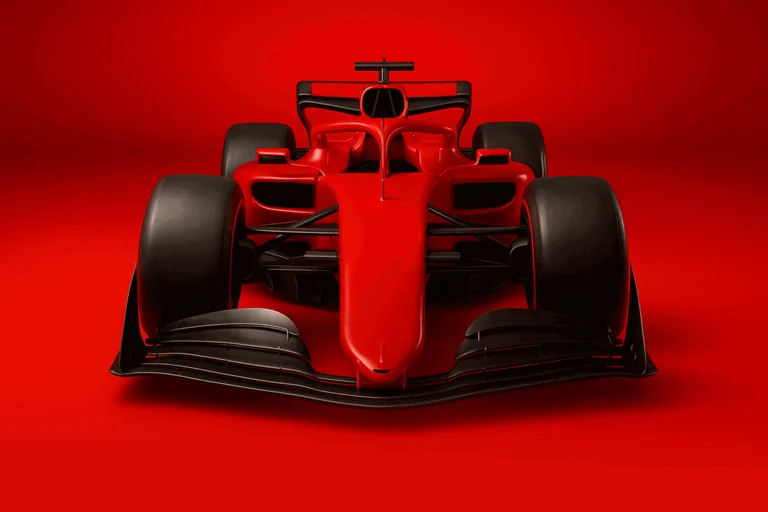


As Motorsport.com Italia reports, Ferrari has brought minor updates for the SF-26 to Sepang while waiting for the final batch of new parts to arrive in Austin for the race in Texas following the upcoming Singapore GP. The bulk of the technical office has long been focused on the 2027 single-seater project, leaving the team playing defense while rival top teams have introduced major updates in recent races that reshuffled the competitive order.
Occupying second place in the Constructors' World Championship, the squad from Maranello has failed to place at least one of its drivers on the podium for five consecutive grands prix. That drought highlights how the anticipated post-summer performance growth failed to materialize as opponents made larger leaps forward.
In Malaysia, the team is gathering strength following controversies surrounding team principal Fred Vasseur, which required an intervention from the House of Maranello to reiterate confidence in the manager and call for unity within the group. Inside the Gestione Sportiva, engineers produced two small technical novelties designed not as a specific adaptation to Sepang's characteristics, but in pursuit of a minor performance boost.
The FIA document lists the addition of two micro-flaps on the outside of the rear diffuser. These extremely small elements extend the final profile of the fin cascade anchored externally to the extractor, with the goal of increasing downforce in an area where greater vertical push can be achieved without inflating drag too much. Elements below the wheel axis must be attached to the diffuser wall by regulation, while those above form part of the rear corner and adorn the brake duct.
The flap cascade, which was entirely part of the rear wheel corner until last year, is now split into two parts working and moving according to the red car's stresses in motion. It comes as no surprise that airflow paths are slightly altered, with one corner element lightly trimmed radially to allow a cleaner flow toward the two lower added flaps.
Additional micro-aerodynamic work at Sepang includes the carbon cover of the BIB, the elastic element regulating Tea-tray flexing, which has been miniaturized compared to previous versions to increase aerodynamic efficiency through reduced surface area. Most striking is the appearance of two small vortex generators working in a critical airflow management area of the machine. This aerodynamic solution previously appeared at the rear of the red car to support the FTM system aiding exhaust blowing, proving that development of the SF-26 has not stopped even if these small adjustments simply aim to make the underperforming package work better.