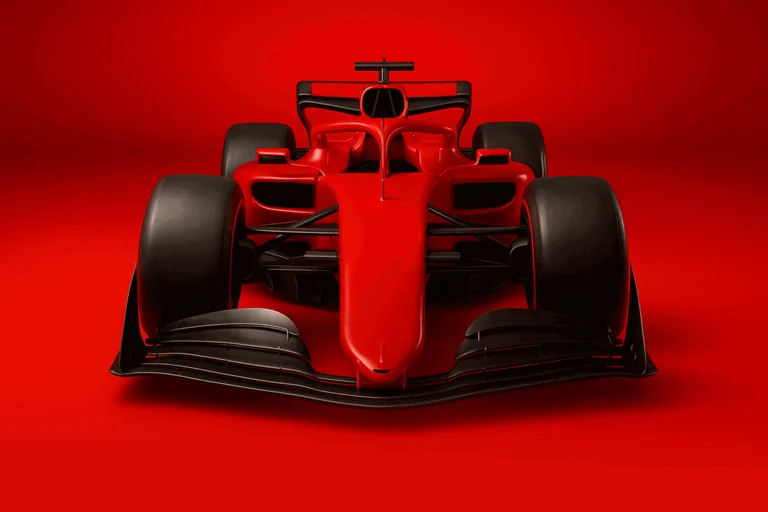

That said, the 2026 Formula 1 regulations have turned these beautiful beasts into 200-mph rolling computers, and the whole system just crashed in front of a global audience at the relocated Bahrain Grand Prix in Sepang, Malaysia, as Motorsport.com reports. With the machines demanding massive amounts of background coding to safely manage the controversial 50/50 power split between the internal combustion engine and the electrical battery, a catastrophic software failure literally stopped the grid in its tracks.
Now, the season has already been plagued by deep-rooted technical headaches caused by the complex marriage of active aerodynamics (straight mode and corner mode) and the massive new 350kW electrical power limit. Because the electrical output has tripled compared to previous generations, the cars rely heavily on automated, wet-weather energy management settings to keep the vehicles stable in low-grip conditions. But during the formation lap in Sepang, a bug in this exact energy management code triggered an unintended, massive loss of power across the entire field.
I dismantled the additional screens I had set up after the first grand prix. What I see on television is enough for me now, although the waiting was really boring because of the long rain delay.
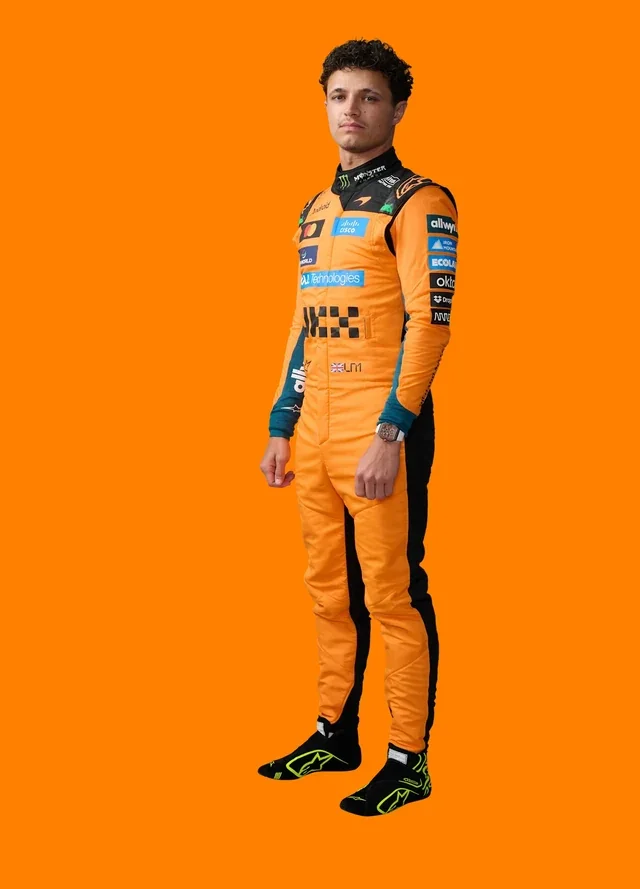
Unfortunately, reigning 2025 champion Lando Norris heavily criticised the intense electronic interference, calling it "horrible", while drivers like Max Verstappen and Lewis Hamilton were left completely stranded as the glitch crippled their power units under the torrential rain. The digital failure was so deeply embedded in the system that the FIA was forced to distribute an emergency software patch to all competitors under red-flag conditions just to remove the energy limit constraints and get the race started.
Watching the grid-wide system failure unfold from home, former Red Bull Racing adviser Helmut Marko was left in utter disbelief at the fragile state of the sport's technical regulations. Speaking exclusively to the Austrian publication oe24, the motorsport veteran painted a picture of a highly frustrating viewing experience. "Completely relaxed in front of the television, like a normal Formula 1 consumer," Marko explained when asked how he handled the chaotic event. "I dismantled the additional screens I had set up after the first grand prix. What I see on television is enough for me now, although the waiting was really boring because of the long rain delay."
While he accepted the lengthy weather delays, the fact that an elite, multi-million-dollar motorsport series was paralysed by a few lines of bad code was a step too far for the Austrian. "It's shameful that a high-end product like Formula 1 is stopped by a software problem," Marko fired back. As the grid moves forward, Formula 1 executives are facing intense pressure to ensure their ambitious 50/50 engine split doesn't cause another massive digital blackout on race day.