

Now, as the teams and drivers prepare to tackle the Marina Bay Circuit following Max Verstappen's victory at the Bahrain Grand Prix, tyre suppliers Pirelli have laid out their rubber choices for Round 17. It is the three softest options selected for the weekend, bringing the C3 as the hard, the C4 as the medium, and the C5 as the soft – exactly the same range utilized for last year’s Grand Prix.
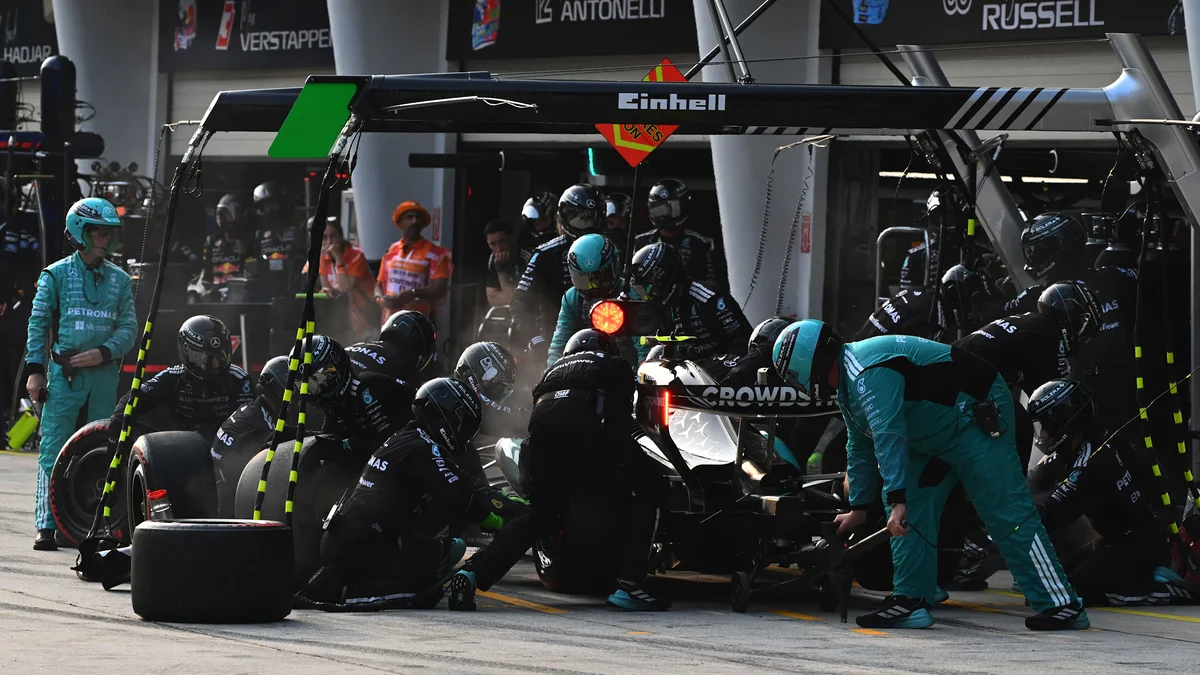
Here is the twist, though: Singapore will host the Sprint for the first time. That means an extra challenge for everyone up and down the pit lane, forcing them to manage their tyre allocations differently with only 12 sets available for the whole weekend rather than the usual 13. Under Sprint regulations, drivers are handed two sets of the hard, four sets of the medium, and six sets of soft, alongside six sets of green intermediates and three sets of blue full wets.
Pirelli's weekend preview highlights the venue's intense layout. The 4.940-kilometre track features the typical characteristics of a street circuit, with barriers close to the racing line and limited overtaking opportunities. However, the changes introduced in 2023 to the third sector increased the number of high-speed sections, making the lap smoother and faster than in the past. Despite the presence of some straights, the circuit remains defined by numerous braking and traction phases thanks to its 19 corners, allowing modern power units to recover energy throughout the lap.
Surface characteristics add another layer to the puzzle. Marina Bay has a medium-to-high level of surface roughness for a street circuit, both in terms of macro- and micro-roughness. As no resurfacing work has been carried out, values are expected to be broadly in line with last season's, if not slightly higher. Track evolution will be significant over the course of the weekend, while intermittent rainfall, typical of the equatorial climate, will also influence grip levels and can alter conditions from one session to the next.
Thankfully, the night-time race brings manageable thermal conditions, with track temperatures ranging between 30 and 35C. Under these conditions, the tyres tend to operate within their working window without any particular overheating concerns. Mechanical stress is not especially high and the expected degradation will mainly be linked to the normal performance drop-off of the rear axle during traction phases. Graining and wear are also not expected to become limiting factors in race management.
From a strategic perspective, Singapore remains one of the races in which a one-stop strategy is the preferred option for teams, also considering the time lost in the pit lane and the frequent likelihood of neutralisations. While Hard and Medium are once again expected to be the reference compounds for the race, this year the Soft could receive greater consideration on Sunday from more than one team.
The softest compound in the range has demonstrated at Budapest, Monza and Baku, where it was used, that it allows drivers to maintain a strong pace thanks to limited degradation, while also offering an advantage in terms of grip and confidence behind the wheel. These characteristics could prove even more valuable on a circuit such as Singapore, which is also known for its significant track evolution. The latest-generation cars also appear to make better use of the softer compounds. Aerodynamic load, more effective temperature management and the formulation of the current compounds allow the softer end of the range to be used for longer and more competitive stints than in the past. With this in mind, it would come as no surprise to see the red-sidewalled tyre used in Saturday’s Sprint or, more generally, to witness more extensive use of the C5 throughout the weekend, encouraged by the Sprint format itself.