

According to Motorsport.com Italia, Mercedes drivers are missing out on the driver cooling vest this season not due to a technical glitch, but simply because the team chose not to invest its funds into developing the system. Instead, the Silver Arrows decided to channel those crucial resources directly into car performance developments for the championship.
The cooling garment was initially born out of the physical exhaustion drivers suffered during the 20023 Qatar Grand Prix—wait, Qatar 2023—amid intense heat and humidity. The FIA pushed through a solution in under a year as a safety matter. While it was once slated to become mandatory under a declared heat hazard, plans were dialed back to give drivers a choice. To keep things fair, competitors who run without the vest—which features forty-eight meters of tubing wrapping around the torso, shoulders, and back—must carry extra ballast to make up for the roughly two-kilogram weight of the system.
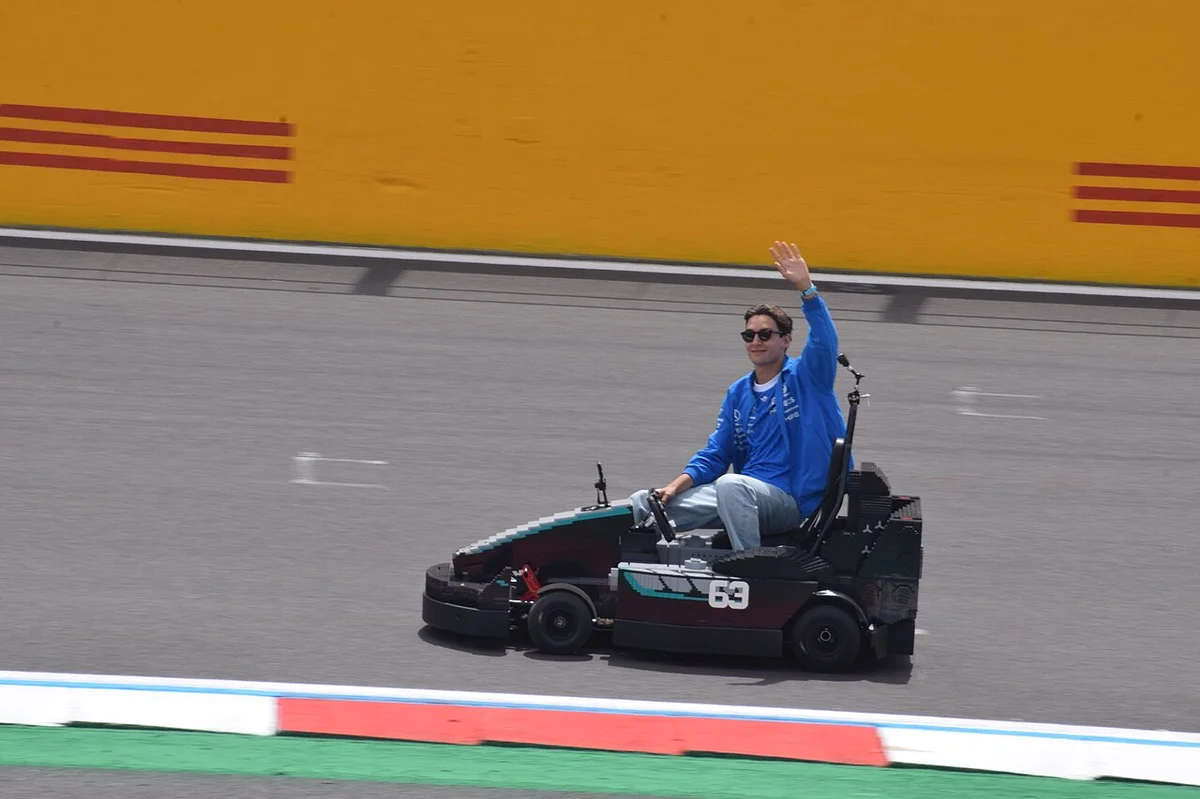
George Russell has always backed the innovation. Last year, he even ran it during hot rounds when no official heat alert was issued because Mercedes was underweight and could swap out the ballast. But things changed for this year, with the cooling setup evolving from an external battery-powered temporary fix in 2025 to a direct connection into the car's electrical system, requiring squads to redesign their approach.
Faced with redesign costs, Mercedes pulled the plug. "We won't be wearing the cooling vest because we haven't invested enough resources to make it reliable enough," Russell told The Times in Kuala Lumpur. "When it works, it works great. So I'd love to wear it in Malaysia and I'd love to wear it in Singapore. But the team asked me… look, we can develop it and we can put money into it [but at the expense of performance]."
Teams have two options for the system: build something entirely in-house or lean on outside manufacturers like Chillout Motorsports, which supported the FIA and various teams back in 2024. Russell called on the FIA in Malaysia to step up by providing extra budget cap room or assigning an outside company to build a universal component for everyone. However, the governing body had already granted a 125,000-dollar exemption to the budget cap for developing both the vest and the chilling mechanism.
While other teams utilized the exemption to update their gear for the current season, Mercedes deemed the figure insufficient. Bradley Lord, Mercedes Vice Team Principal, explained the compromise: "There was a small concession. We didn't feel it was sufficient to allow us to develop a solution robust enough to last for the entire race. The drivers, speaking to us, had been involved in that decision."
"In some places it would have been uncomfortable. But cockpit cooling has improved compared to past years. And so, in terms of overall compromise, the drivers are always in favour when it comes to sacrificing a little bit of comfort in the name of pure performance. Like all of us, and like every driver along the paddock, they will always choose performance over comfort," Lord added.