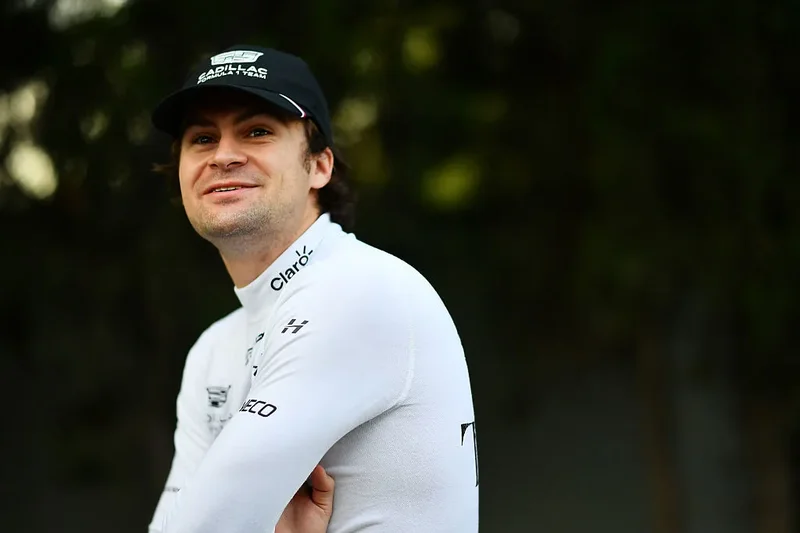
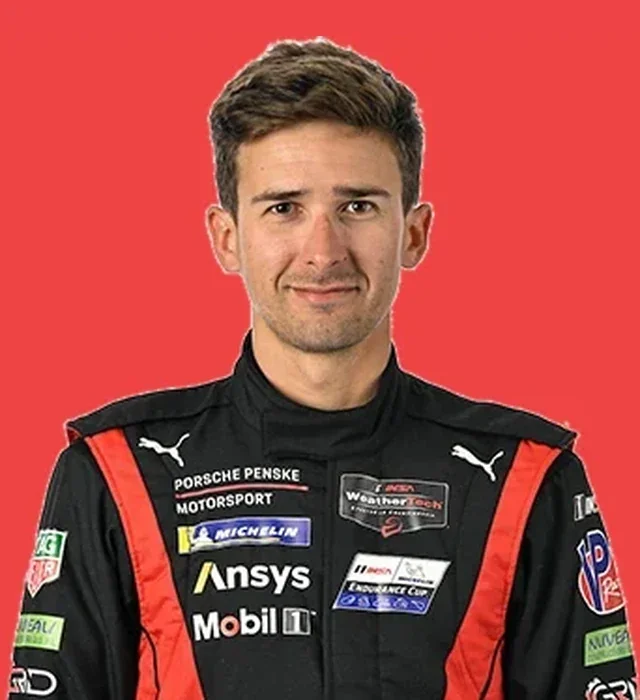


After spending a decade with the Stuttgart brand, Matt Campbell packed his bags for Charlotte to join Ford's sports car operation. The Detroit motoring giant is staging a return to the top class at the 24 Hours of Le Mans in 2027 with two Hypercars, all in pursuit of endurance racing's ultimate prize. As Speedcafe reports, Campbell is locked in as one of the six drivers confirmed for the 2027 campaign, alongside Nick Yelloly, Tom Blomqvist, Logan Sargeant, Mike Rockenfeller, and Sebastian Priaulx.
Testing has already taken the team across multiple tracks. Ford kicked off its program in the south of France at Paul Ricard with a three-day test spread over eight days, before heading to Portimao in Portugal for an uninterrupted four-day run. Their most recent hit-out took place at Silverstone in England, where a two-day test through torrential rain and dry conditions allowed the team to complete more than 1300 kilometres on track.
So far, the project has enjoyed remarkably smooth sailing. The initial outing at Paul Ricard went almost too smoothly for a brand-new car's track debut, though Portimao proved far more challenging with four days and plenty of late nights. That tougher Portuguese test helped the team zero in on areas needing urgent focus, particularly the systems and hybrid side that will require a long development runway stretching right through next year's racing.
Up to this point, the testing has relied on a single car, but that is about to change. Ford will expand to a two-car setup for an upcoming test in Italy at Monza later this month, followed by a trip back to Spain for running at Aragon. Further tests are also locked in across the United States at Circuit of the Americas and Sebring, with the latter famously brutal on equipment due to its notoriously bumpy surface. Meanwhile, an official reveal date is marked on the calendar for November 26, meaning the car will be shown to the public in a little more than a month's time.
The driver lineup brings a rich mix of Hypercar backgrounds to the garage. Campbell previously drove the Multimatic-based Porsche 963, while Yelloly and Blomqvist are well-accustomed to the Oreca-based Acura ARX-06. Under LMDh regulations, manufacturers build their prototypes around a chassis supplied by Multimatic, Oreca, Dallara, or Ligier, and the new Ford is built on the Oreca spine. That shift brings a learning curve for Campbell in areas like driver comfort, ergonomics, and mechanical behavior, but having teammates with existing Oreca experience is expected to accelerate the learning process.
Beyond the chassis, the machine's beating heart has left a massive impression. Campbell heaped praise on the driveability of the car and singled out its raw 5.4-litre Coyote V8 for special praise. The engine sounds incredible, but crucially, its usability and feel represent a massive positive for the program. Because the LMDh platform relies on a single driving axle at the rear, managing tyre stress is critical, and any extra usability directly aids in combating tyre degradation and easing the tuning process down the line.