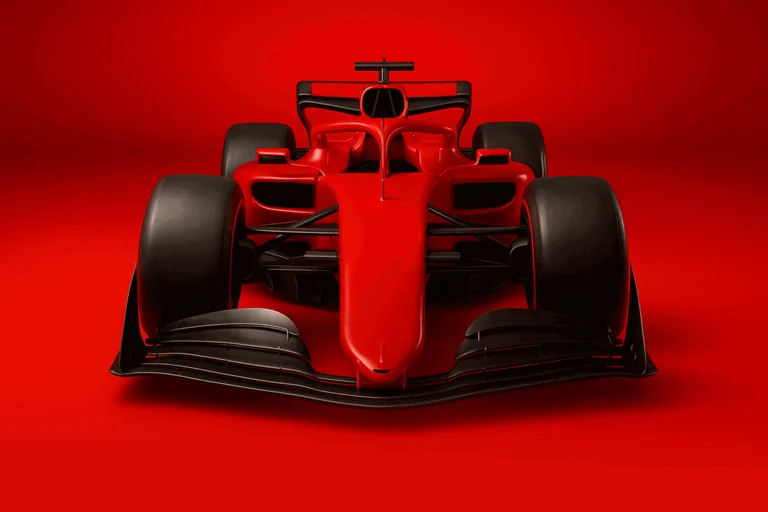

As RaceFans reports, the FIA is preparing further changes to its engine software following the farcical scenes witnessed at last weekend's Bahrain Grand Prix in Malaysia. Several Red Bull-Ford, Ferrari, and Audi-powered machines slowed drastically during the formation lap before the start of Sunday's race, forcing race control to abandon its initial start attempt while urgent software changes were made.
The governing body confirmed the fault occurred due to its software restricting how much power a driver may use at different points around the lap, a requirement introduced under the 2026 power unit regulations. According to the FIA, "Some cars running on low engine RPM in certain circuit sectors where a 250kW power reduction was applied experienced a loss of power beyond the original intent and that could not be recovered in those sectors."
Despite criticism, the motorsport governing body disputed claims that its software was not adequately tested before the stoppages struck multiple cars in Sepang. The FIA stated that teams and power unit manufacturers conducted simulation exercises to validate the software package prior to implementation, which was subsequently tested in full-scale running during Free Practice 1 sessions at both the Belgian Grand Prix and the Dutch Grand Prix.
Following a review, the configuration established for the Sepang event will be reinstated for the Singapore Grand Prix should similar weather conditions be expected. No further changes are planned for this weekend's round in Singapore due to teams having only a single, hour-long practice session as a sprint event. However, a further update to the wet weather software will be released for the United States Grand Prix on October 25.
The review also recommended that measures be implemented for testing of the software to make it as robust as possible, recognising that opportunities for testing are limited. The FIA, together with the teams and power unit manufacturers, will continue to strengthen power unit software testing and verification capabilities, enhancing the overall validation process through independent assessment and collaborative feedback, including input from the supplier of the standardised Electronics Control Unit.
On Sunday, the sequence of software installation and integration moved rapidly. At 15:45, the race start procedure was suspended following two formation laps after a number of cars experienced power loss issues. Within five minutes of the suspension, at 15:50, the FIA technical team had identified the cause of the issue and released an updated power unit software configuration designed to address the problem. By 16:03, eighteen minutes after the suspension, the FIA provided teams with further technical guidance and clarifications.
Teams and power unit manufacturers then completed the integration process, with all competitors ready to start the race approximately 20 minutes later. The 10-minutes signal to start the race was issued at 16:22, and cars left the pit lane for the race start procedure at 16:33. The FIA recognised and thanked all stakeholders among the teams, power unit manufacturers, and the technical team for their diligence and responsiveness during the interruption.