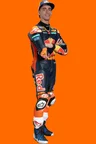

As Motorsport.com Italia reports, the 2026 MotoGP season started with a different perspective for KTM following corporate financial turbulence. The motorsport operations were secured under new ownership, and motorsport director Pit Beirer initially expected a return to normal. Instead, a severe engine crisis pushed the project to the brink of survival.
The breaking point arrived at the Italian Grand Prix at Mugello. After an initial morning failure, two more engines let go in quick succession, leaving the team completely in the dark. Beirer described it as one of the worst periods of the entire MotoGP project, noting that KTM lost a total of seven engines. Pedro Acosta had slightly better luck than Brad Binder, with Acosta losing only one engine compared to Binder's heavier toll. Acosta did suffer a scary multi-bike crash after losing power at the Catalan Grand Prix in Barcelona when Alex Marquez rear-ended him, though Beirer clarified that this particular incident was not caused by the later-identified mechanical engine defect.
Finding the root cause was severely complicated by the engine freeze regulations. Ducati, Aprilia, and KTM were locked into their homologated 2025 engine specifications, meaning units were sealed and forbidden from modification except for strict safety or reliability reasons. Because the engines could not simply be opened and analyzed, Beirer felt the team completely lost control. The panic escalated when a second and then a backup engine failed, leaving engineers with no way to step backward in the setup.
Clues finally emerged when KTM recalled older, high-mileage engines and found they lacked the specific issue, which manifested very early at around 50 to 100 kilometers. Beirer explained that the failure behaved as though something like glass or crystal was inside, eventually tracing the fault to a defective component from an external supplier experiencing heavy stress. However, fixing the hardware required convincing rival manufacturers to grant permission to break the engine seals during a development freeze.

While initial requests met natural skepticism, Beirer expressed gratitude after KTM provided suppliers' data, serial and lot numbers, and X-rays to prove no competitive advantage was being sought. Between the Sachsenring and Silverstone during the summer pause, all constructors and the IRTA gave the green light. KTM was forced to run older, lower-powered engines in the interim, and riders also faced separate electronic and sensor gremlins, including an unusual ECU shutdown investigated with the support of Magneti Marelli.
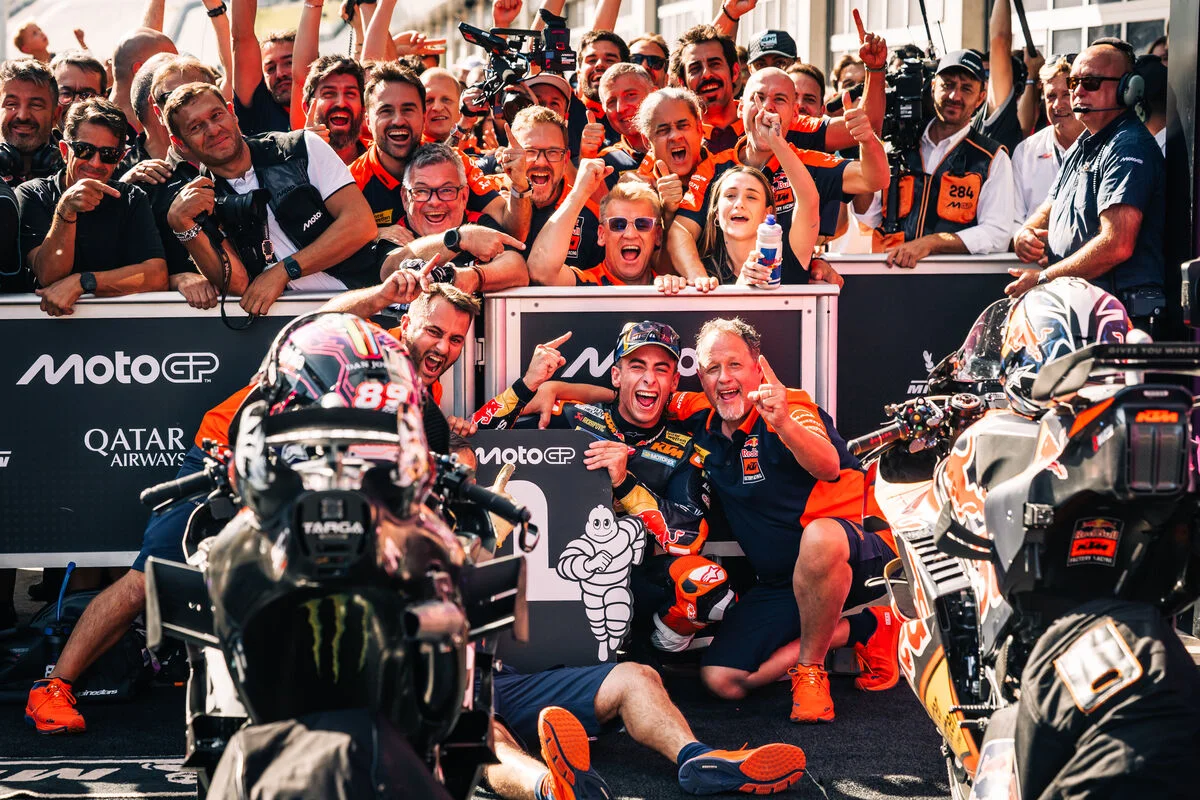
Once authorized, KTM opened and overhauled seven engines at their motor center in Munderfing, replacing the faulty parts before resealing them. Though the lost engine pool remained a heavy burden for the remainder of the year—with Binder already having lost three engines by late August—the squad found a sporting recovery. Acosta bounced back with podium finishes starting from Aragon and recently celebrated a victory at Spielberg.