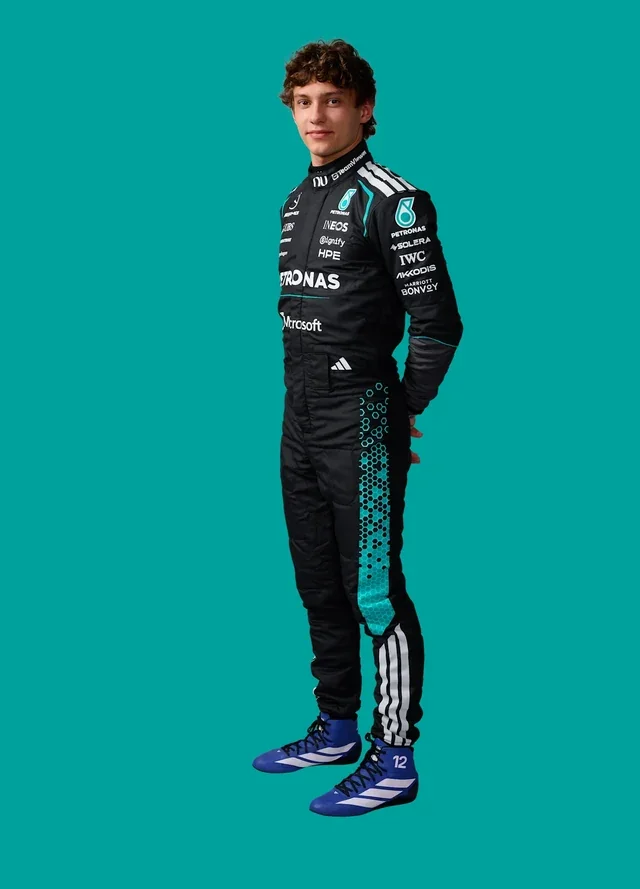


Here is the thing about modern Formula 1 development: having the raw speed in the wind tunnel is one brutal reality, but coaxing it out across a full lap is an entirely different beast. As FormulaUno.it reports, Mercedes has finally started reaping actual, tangible results from understanding its latest aerodynamic package. Austin marked a crucial turning point in this journey, particularly for Andrea Kimi Antonelli, who managed to tame a configuration that had previously proven remarkably stubborn to interpret.
Let's be clear, the raw potential was never really in doubt. The data on the screens always matched what the team saw back at the factory, but the W17 had simply become far too difficult to handle on track. Drivers could feel the gains in specific corners, yet a consistent balance remained frustratingly out of reach. The machine was brutally sensitive to both driving style and sudden shifts in speed upon corner entry.
Thankfully, intense work on the setup side over recent weeks allowed the engineers to finally decode the car's behavior without altering the fundamental philosophy of the package. Antonelli interpreted this setup better than anyone else, proving that once a workable compromise between balance and driving style is struck, the W17 still possesses massive potential. Unfortunately, this is far from a permanent fix. The operating window remains razor-thin, demanding precise adjustments every single weekend.
The scale of this sensitivity was underlined by the struggles of George Russell, who simply could not extract the same feeling from the car as his teammate. Because the squad expects these traits to linger until the final chequered flag, the primary goal heading into the upcoming winter is making the W17 far more predictable and less reliant on an elusive sweet spot—a crucial step not just for closing out this campaign, but for laying the groundwork for the 2027 project.
Meanwhile, power unit developments continue to march forward alongside the aero work. The updated turbocompressor, part of the ADUO program, is now slated for a debut somewhere between the Brazilian Grand Prix and Las Vegas. The team is prioritizing rigorous validation and reliability before pulling the trigger on the new spec, which is understood to carry significant performance gains. This new hardware arrives at a vital moment, especially after the power unit showed relative weakness in hot and humid conditions in Malaysia and Singapore. Similar caution might even be forced upon the Anglo-German squad in Mexico due to the extreme altitude.
Ultimately, Mercedes heads into the final stretch of the season juggling two major fronts: taming the W17's setup sensitivity and validating power unit upgrades with an eye on the future. Even with fierce pressure and major strides made by rivals like Red Bull and Ferrari—though the technical department in Maranello prefers to judge its own latest upgrades across varied layouts rather than a circuit like Austin that suited the SF-26—Austin proved the silver machines still hold immense pace. If the upcoming ADUO turbo delivers as hoped, the team might just find the extra edge needed to close out the year on a high note.