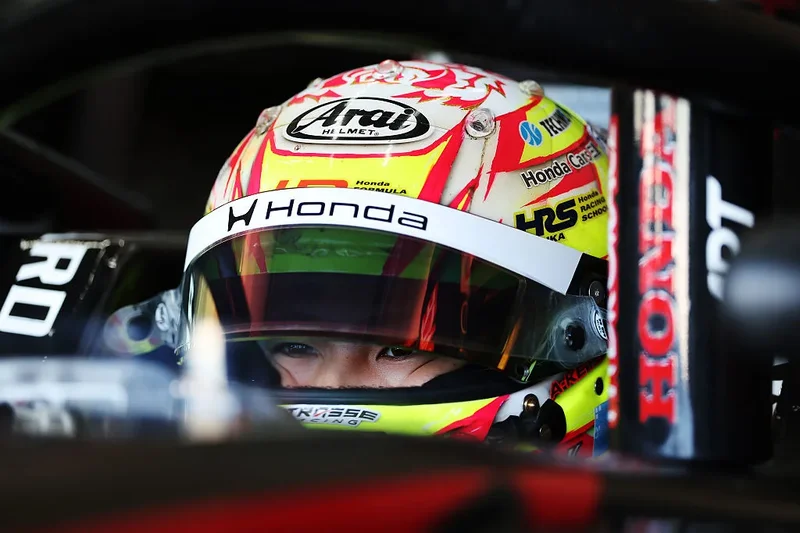
Following a convincing performance at Austin, the SF-26 arrives in Mexico ready to tackle one of the most complicated challenges of the season, as FormulaUno.it reports. Charles Leclerc and Lewis Hamilton must prepare themselves for a potential disappointment in the style of Austria, carrying the bittersweet flavor of a supporting-role race after having fought for victory.
The unique geography of the Autodromo Hermanos Rodriguez changes everything. At 2,250 meters above sea level, the rarefied air of Mexico City reduces air density, creating major cooling difficulties, a drastic reduction in generated downforce, and maximum stress for the turbocharger. While the track's many slow interconnected corners and the Esses of the second sector should normally highlight a chassis that has generally distinguished itself as the best in all types of bends, the power unit side presents hurdles. The long straights and traction zones do not favor a car equipped with a disappointing power unit and a slight excess of drag, much like this year's Ferrari.
Teams historically relied on three main ingredients for this venue: maximum cooling outlets, highest-downforce wings available, and pushing the turbocharging group toward higher air compression ratios. This year, two of those elements are much harder to execute. With teams largely adopting only a single rear wing design with minimal modifications, cars will experience extremely low downforce levels and surely the lowest grip of the season. Furthermore, the maximum rotation limit of 150,000 revolutions per minute for turbine and compressor impellers is much lower than in the past, alongside a maximum supercharging value of 4.8 bar.
Moving to more concrete reasoning regarding the SF-26, Maranello will bring a dedicated engine cover designed specifically for the 2,250-meter trip, and great attention will be paid to cooling the braking system. Free practice will reveal whether the car receives additional rear wing elements in the search for maximum rear grip. Adherence will be one of the most important weapons available to the drivers and engineers.
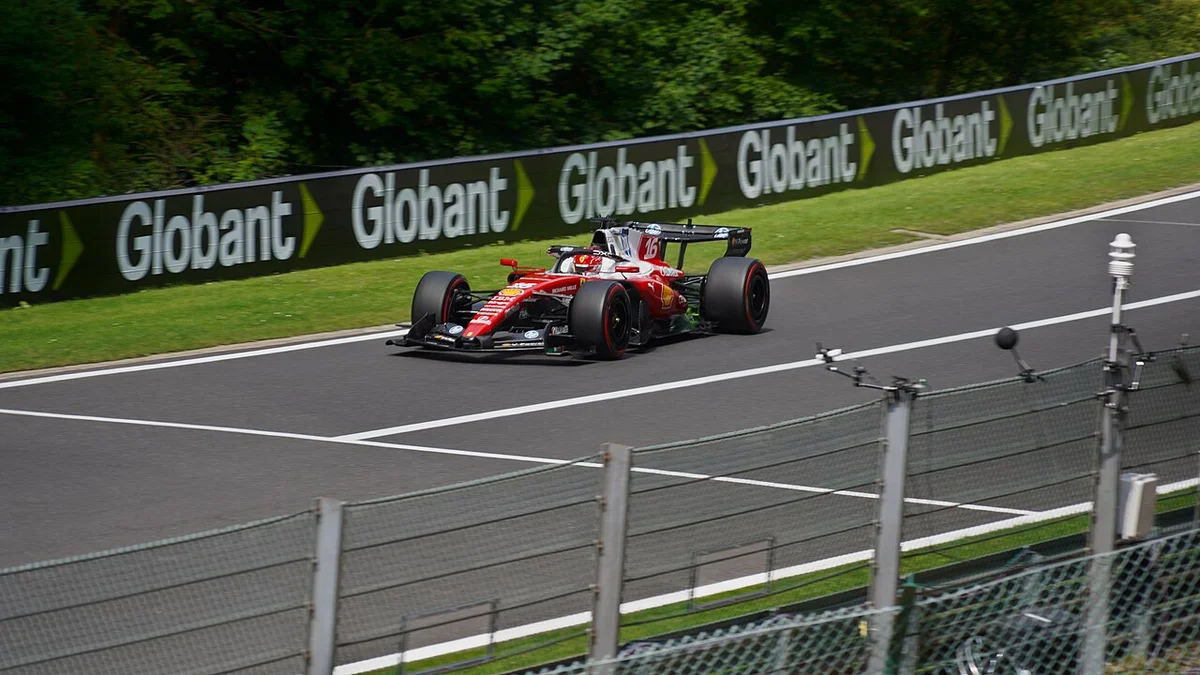
Energy management ties directly into this equation. Slip and sliding through corners can waste precious energy that a balanced machine could otherwise utilize to ease the burden on the turbo during acceleration phases. Even under the best conditions, with an engine output similar to Austin, low power will remain a burden in qualifying, at the start, and during the opening laps.
Yet, should the grip level be extremely low, the strong cornering performance of the Austin-spec SF-26 could offer Leclerc and Hamilton a non-negligible advantage. What remains to be seen on the track is whether clean air can be found, as the advantage of following no one in Mexico City is by far the most decisive of the season.