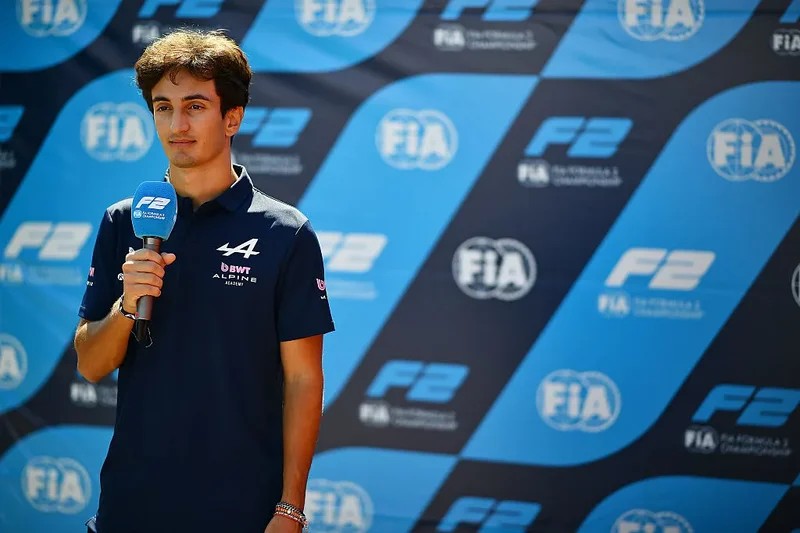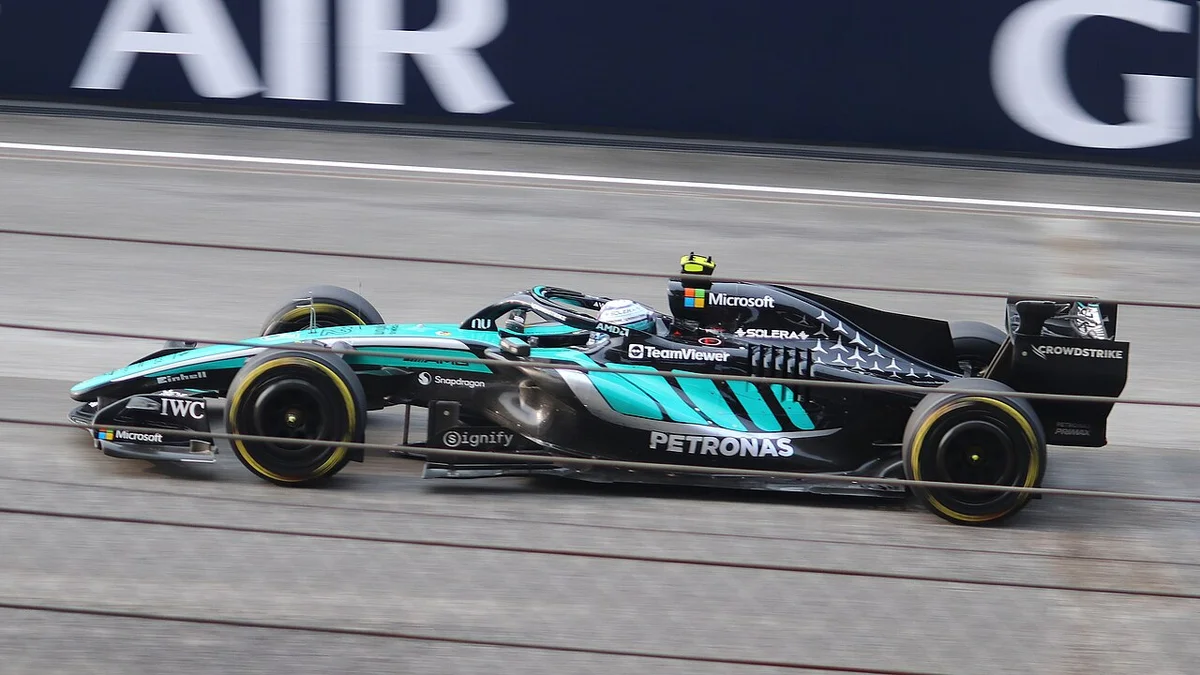


Here is the thing about the current state of play: as FormulaUno.it reports, Ferrari managed to leave Austin with more points than any other constructor, yet the nagging feeling remains that they left wins on the table. Kimi Antonelli and Leclerc both put on stellar performances, squeezing speed, consistency, and proper tyre management out of their respective machines. Antonelli left town with a world championship virtually in his pocket, needing little more than a flight to Mexico City.
The newly introduced updates brought some genuinely encouraging signs for both teams. The SF-26 package functioned quite well, offering more front end that helped immensely with corner entry and rotation. But that upgrade requires precise balance management, and Ferrari simply could not extract every last drop of performance from it. Miscalculations regarding the front wing, both in qualifying and during the race, left certain technicians frustrated as potential went begging.
Qualifying has proven to be the most expensive limitation of the campaign, having already compromised three possible victories earlier in the season. While starting further up the grid does not strictly guarantee a win, starting behind severely complicates the race and strangles strategic freedom. In Q3 at Austin, the preparation of the tires combined with a shifting wind that altered the car's balance, making it impossible to properly manage that extra front-end bite on the final run.
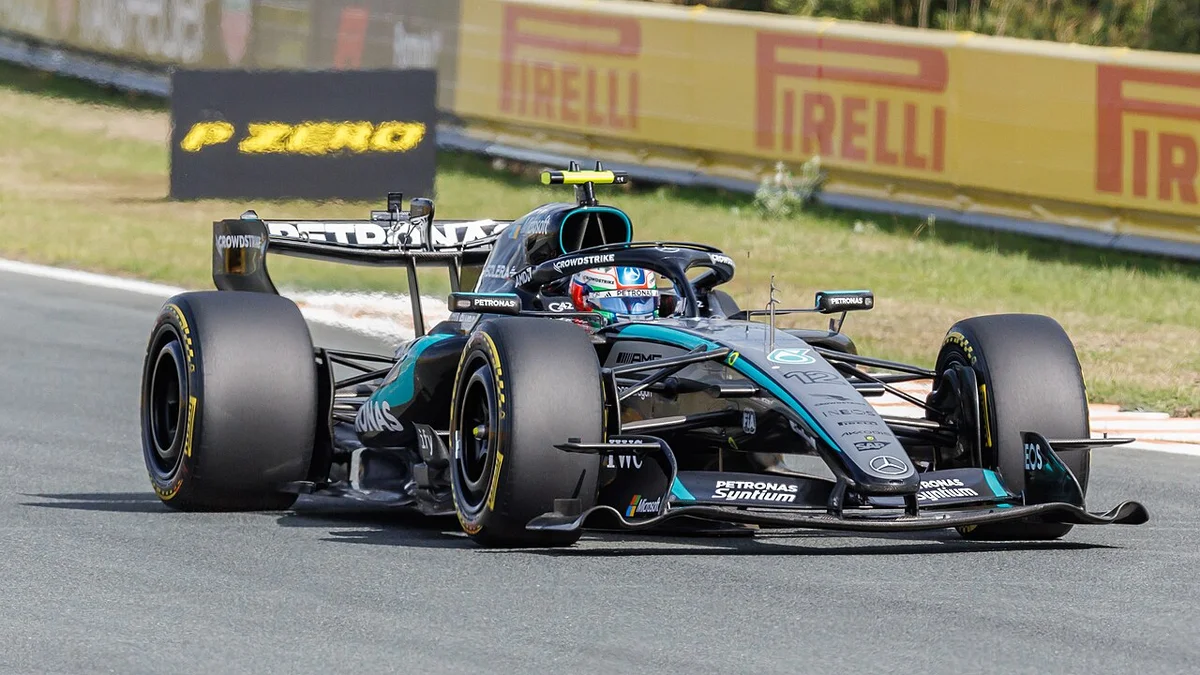
Despite the qualifying headaches, the team tally looked strong. Leclerc proved to be the benchmark, but Lewis Hamilton also had a podium well within reach. Unfortunately, a Virtual Safety Car intervened and completely altered the complexion of Hamilton's race, denying the team an even larger haul. Meanwhile, Red Bull suffered through an uncharacteristically clumsy weekend, making poor choices on both their race tyre selection and overall strategy that left their potential locked away.
Now, the circus heads to Mexico City, presenting what is widely considered an arduous test for power unit characteristics at 2,240 meters of altitude. The primary enemy in the thin air will be overheating, forcing teams to adopt extra-large bodywork and generous cooling apertures at an aerodynamic cost. Reliability remains a persistent unknown, even if performance drops can be estimated, and Maranello is currently hoping to avoid a power unit penalty before the year is out. Expect to potentially see those borderline 'Christmas tree' rear wing appendices make an appearance if extra load is required as the team searches for answers on a deeply challenging track.