
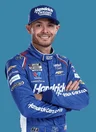
Here is the thing about fuel saving: when almost every single driver on the track decides to go slow at once, race control is going to notice. As Motorsport.com reports, NASCAR had to issue a blanket warning during the first stage of Sunday's Cup Series race at Talladega, threatening a black flag to nearly the entire field if they failed to meet minimum speed.
Everyone on track except the three RFK Racing drivers began puttering around the 2.66-mile superspeedway in an effort to save fuel. That immediately triggered automatic notifications for cars running below the required minimum speed, which at Talladega is within 12.5 percent of the pole time. Mike Forde, NASCAR vice president of racing communications, explained on the Hauler Talk podcast—which he shares with Senior Director of Racing Communications Amanda Ellis and veteran reporter Nate Ryan—that race control sent an instant message across all of pit road warning of the infractions and demanding they pick up the pace or face intervention.
Thankfully, the teams responded immediately and nobody was black-flagged. Forde emphasized that race control has no desire to park cars and ruin the show for the fans and sponsors, noting they prefer to keep everyone out on the track.
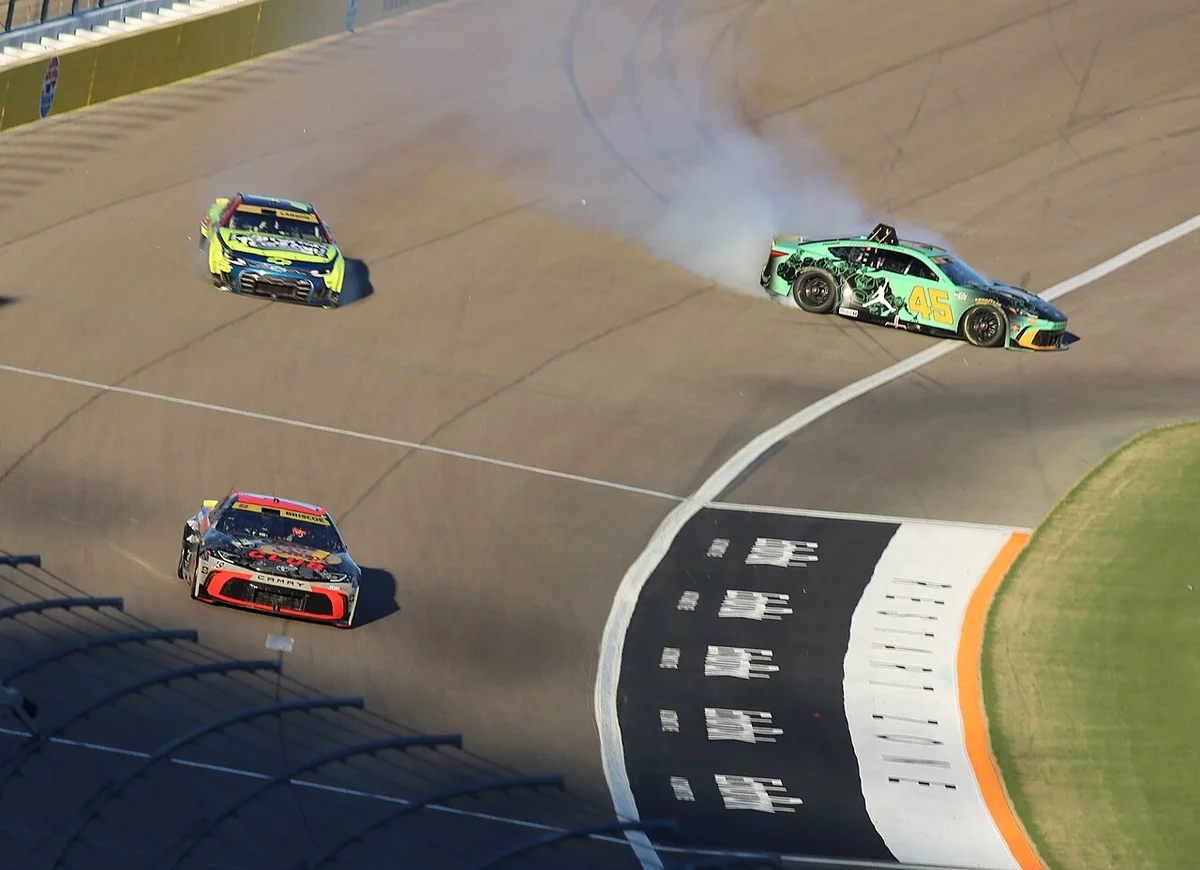
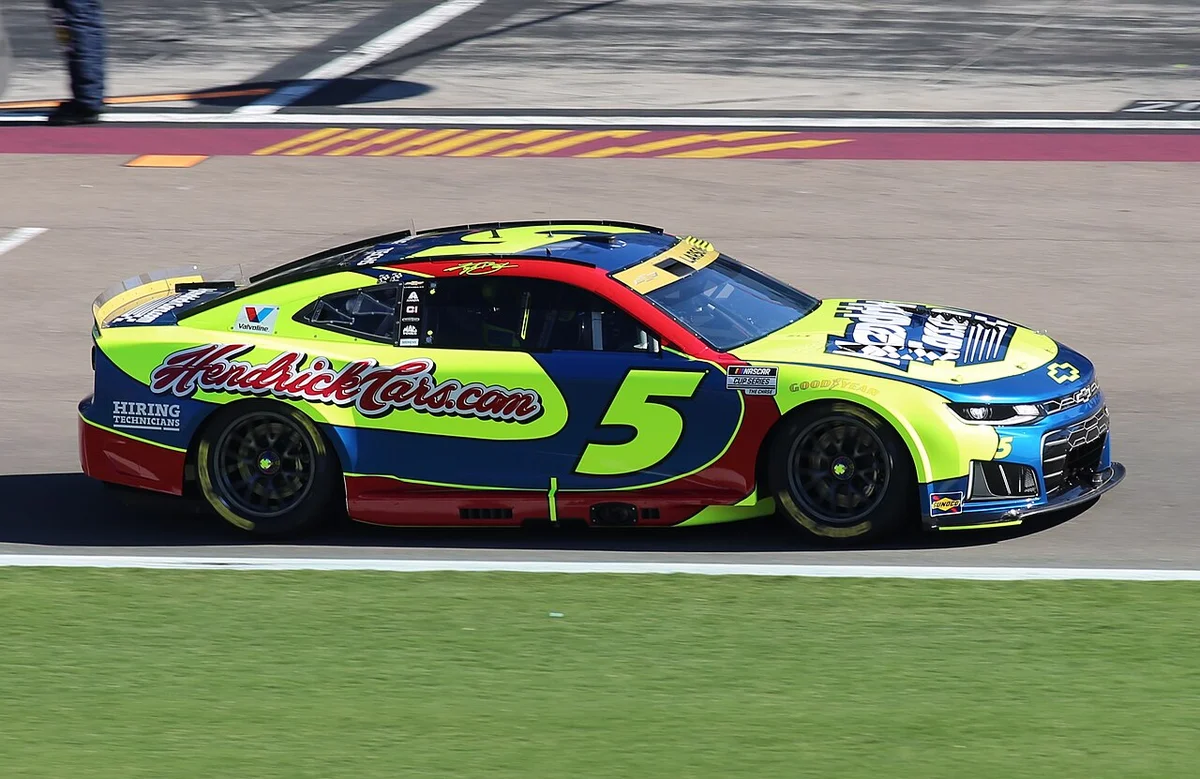
Aside from the early pacing drama, the finish itself brought its own set of questions, specifically regarding whether Kyle Larson stayed within bounds during his final-lap pass on Todd Gilliland to win the race. Forde explained that officials carefully reviewed the incident, adhering to a strict rule where a tire must go fully below the yellow line to constitute a penalty. Because half an inch of Larson's tire remained on the yellow line in the judgment of race control, no penalty was issued, a stance that prompted Denny Hamlin to post on social media that it was "horrible officiating or horrible comms."
Naturally, suspicions also swirled regarding whether other Chevrolet drivers intentionally slowed down on the frontstretch to help Larson secure the win and chase the championship. Forde quickly put those rumors to rest, confirming that veteran crew chief turned official Scott Miller observed nothing suspicious from remote race control in Concord, North Carolina, and pointing out that no rival teams brought complaints forward despite having access to SMT data.