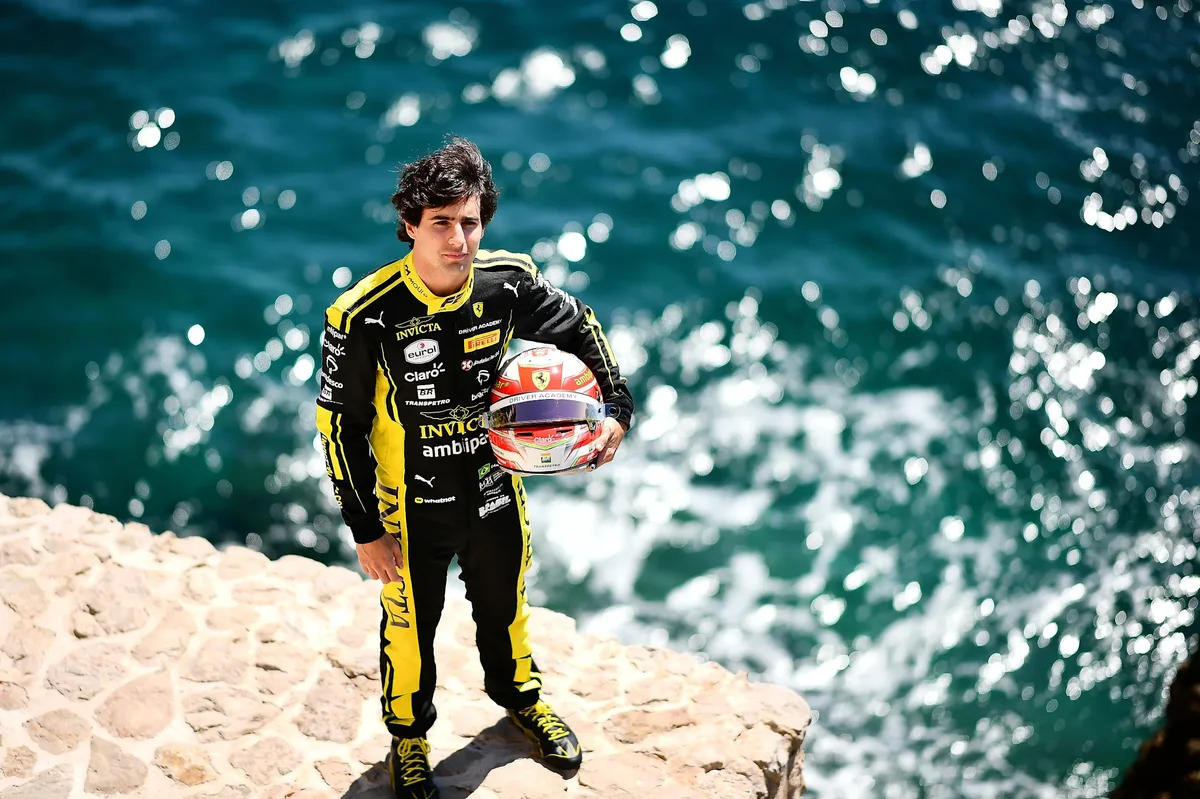

The wait is officially over. Rafael Câmara is making the jump to Formula 1 next year, with his 2027 plans confirmed as a graduation to the Haas Formula 1 Team from his current seat with Invicta Racing.
For Brazilian F1 journalist Julianne Cerasoli, who has watched his trajectory from the very beginning, the announcement brings immense relief and excitement. "We couldn't wait for this moment," Cerasoli said. Following him since his karting days, she noted that people always whispered about his inevitable F1 future, insisting it was simply impossible for someone with his level of talent not to make it.
When he puts the helmet on, it's almost as if he's a different person. I think you're going to be surprised by him.
Yet the road to the top tier was far from a straightforward Sunday drive. Cerasoli points out that his shy personality required an early move to Europe, forcing him to navigate the grueling path that Brazilian drivers face far away from home—hurdles that European talents often bypass. Those early obstacles, including a period where he faced Kimi Antonelli and wasn't quite as strong, created a few years of unknowns and slowed his career progression.
Pressure mounted over the last three seasons as he tackled FREC, F3, and aimed for a championship win in his rookie F2 shot. Pulling all of that off is a testament to his sheer resilience. That momentum crystallized just weeks ago when he seized the Formula 2 Drivers’ Championship lead in Baku, fueled by a brilliant victory in Feature Race 2. Cerasoli views his 2026 campaign as a mirror of his entire career: starting out as a favorite, surviving a painful setback in Monaco, and ultimately keeping his head down to focus strictly on what he could control. His charge in Belgium, she notes, was the absolute drive of a champion.

This promotion makes Câmara the second Brazilian in the last three years to step straight from Formula 2 into Formula 1, following Gabriel Bortoleto’s 2024 rise. Cerasoli traces this renaissance back to Felipe Drugovich claiming the F2 title in 2022, a turning point where Brazilian racers truly grasped the modern realities of the sport—understanding the urgent need for early backing and immediate karting roots in Europe. With fans waking up at 5 am to catch the action, a new wave reminiscent of the country's dominance in surfing is taking shape in motorsport.
When the lights go out in 2027, fans might be caught off guard by the machine behind the quiet exterior. "He's so calm and collected, but at the same time, so, so quick," Cerasoli said. "When he puts the helmet on, it's almost as if he's a different person. I think you're going to be surprised by him."