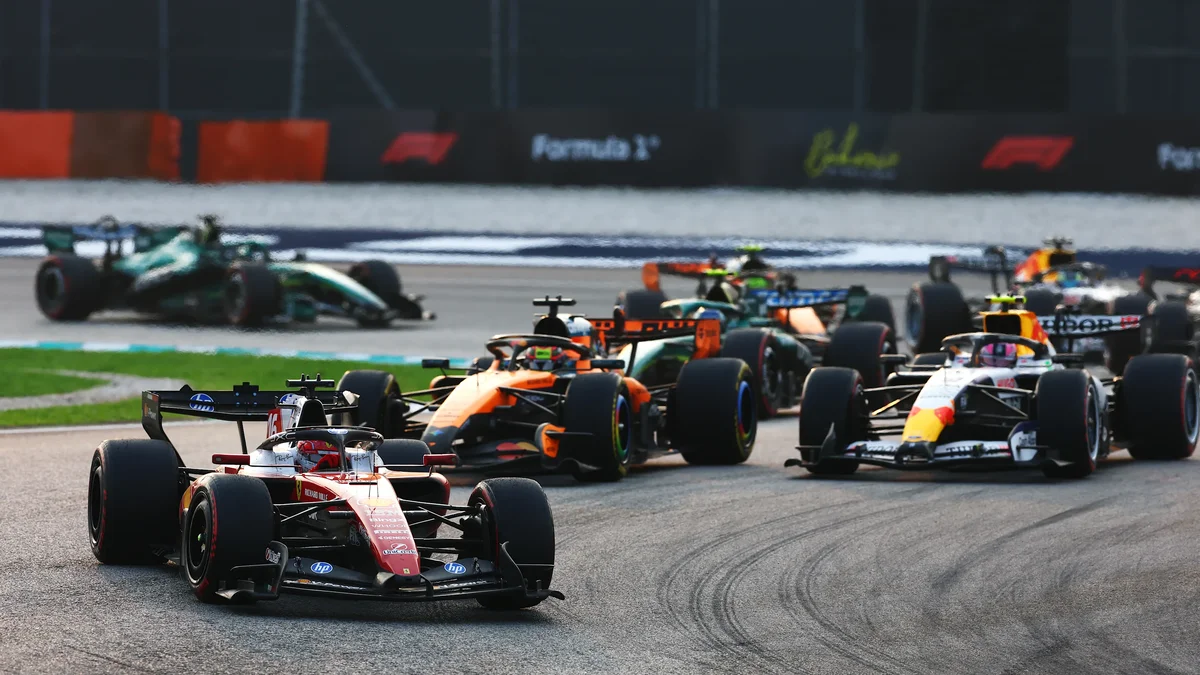


Formula 1 has dropped its very first sport-wide Social Impact Report, revealing that more than 500,000 young people across 71 countries accessed and benefitted from programmes designed to educate, inspire and open pathways into the sport in 2025. That is a massive footprint for a championship that spans 24 races across 21 countries, boasting a fanbase of more than 830 million people and a cumulative annual television audience of 1.7 billion.
Alongside the report, the championship has renewed its flagship Engineering Scholarship for a further three academic years with a commitment of more than £2.4 million in funding. Founded in 2021, the scheme covers full tuition fees and living costs for students from underrepresented backgrounds, giving them direct access to F1 teams, world-class technology, the Formula 1 Media and Technology Centre, and behind-the-scenes Grand Prix experiences. The total number of students supported sits at 48 to date, with ten new scholars joining each year from 2026/27 to 2028/29 at the University of Strathclyde, Imperial College London, the University of Cambridge, the University of Oxford, and MUNER in Italy.
The report itself brings together the collective contributions of Formula 1, the FIA, all 10 teams, and 24 race promoters during the 2025 season. It builds directly on recommendations from The Hamilton Commission—launched by Sir Lewis Hamilton and the Royal Academy of Engineering in 2021—and follows the sport's first Diversity and Inclusion Charter signed in 2024 by Formula 1, the FIA, and all 10 teams, with the Cadillac F1 Team also signing for their 2025 debut (wait, the source actually states the Cadillac F1 Team signed the charter from the 2026 season when they entered the sport).
The numbers from 2025 tell a wild story of grassroots reach: over 500,000 young people tapped into STEM and inspiration programmes globally, 100% of Diversity and Inclusion Charter signatories delivered social impact programmes, and over 1,000 skills and talent development opportunities spotlighted motorsport. On top of that, 29,000 schools competed annually in the STEM Racing global education initiative, more than 700 schools participated in the British Council's Learning Sectors education programme across the UK, South Africa, India, and Brazil, €100,000 in donations went to four organisations awarded the F1 Allwyn Global Community Award, over 2,500 young people joined activities at F1 events, 50-plus wishes were granted through a partnership with Make-A-Wish, and 140 young people attended F1 Academy workshops.
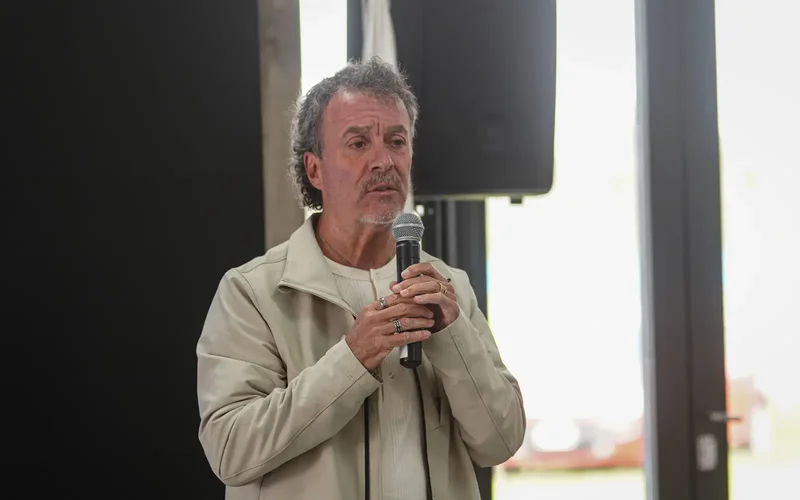
Stefano Domenicali, President and CEO of Formula 1, said: “Formula 1 has an extraordinary power to inspire, and we want everyone to believe there is a place for them in our sport. We are turning our commitments into action, working across motorsport to break down barriers and widen access for future generations.”
Ellen Jones, Head of ESG at Formula 1, added: “As Formula 1 continues to grow around the world, so does our ambition to build positive change beyond the track. This report provides, for the first time, a collective view of the impact programmes being delivered across the sport and the difference they are making in communities globally.”
Formula 1 plans to continue expanding these programmes, including Learning Sectors and the F1 Allwyn Global Community Award, while strengthening governance, measurement, and reporting to maximise the long-term value of the work.