
Here is the thing about superspeedway racing: when officials decide to tinker with the aero package, everyone pays attention. NASCAR officials confirmed updates to the Cup Series superspeedway package ahead of the October 25 race at Talladega Superspeedway.
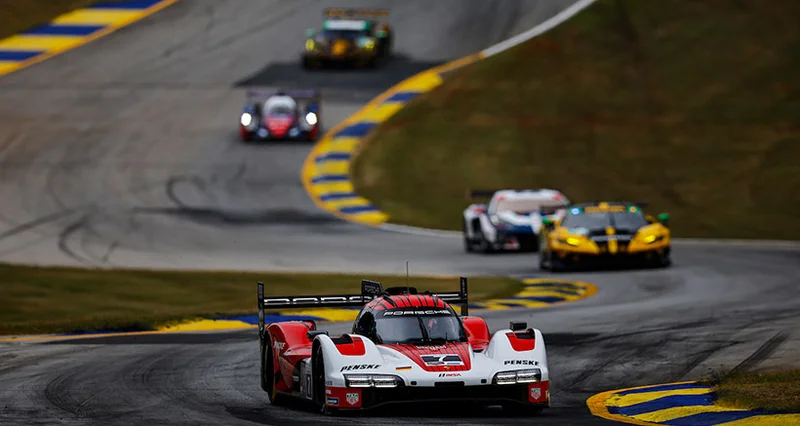
The engineering tweak brings a shorter rear spoiler measuring 3.5 inches in height for the YellaWood 500, which serves as the eighth of 10 races in The Chase presented by Mobil 1. This adjustment lops an additional half-inch off the spoiler following previous changes ahead of the August 29 event at Daytona International Speedway, where the original 7-inch spoiler was trimmed down to 4 inches. That earlier move, paired with a reduction in horsepower, was engineered to grant drivers better maneuverability in the chaotic pack-racing style that defines NASCAR's premier tracks.
I'm sure that the teams will find a loophole in this somewhere, but as we talked about before, anytime you go with a rules change, it's always fun to watch who can figure out the next little trick,
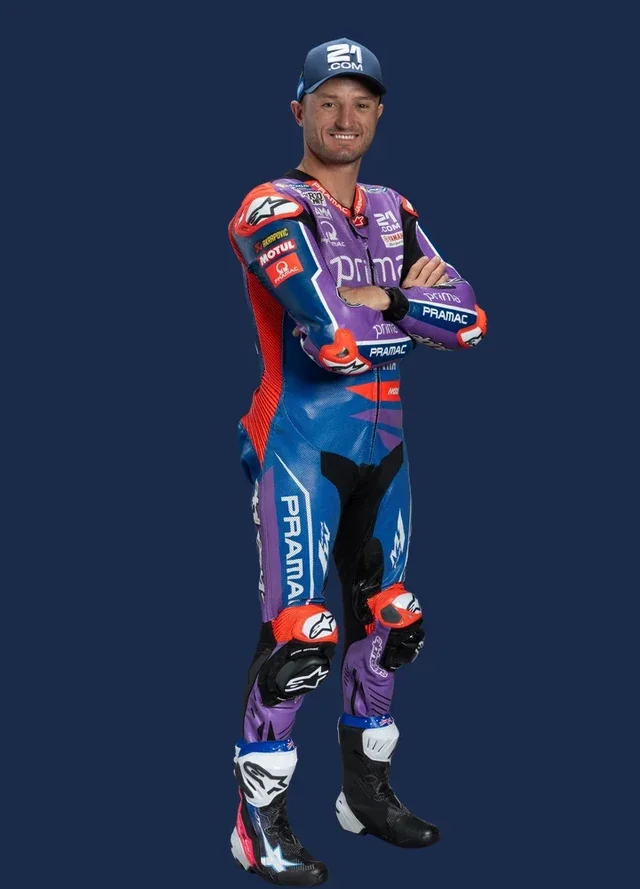
Jamie McMurray, an analyst and the 2010 Daytona 500 champion, weighed in on the changes during NASCAR Inside the Race. "It seemed like it was a win at Daytona," McMurray said. "All the drivers thought they could build a bigger run at Daytona than they had in the past. I applaud NASCAR for taking a little bit more off, taking that next step. The other thing to consider is that Talladega is about eight feet wider than Daytona, so this gives you a little more options if you can generate a run to be able to make a pass. So my anticipation is fairly high for seeing how this works out."
Beyond the aero modifications, NASCAR also altered the stage lengths for the Talladega weekend, aligning them with the structure used in the spring race. The race is set to conclude Stage 1 at Lap 98, Stage 2 at Lap 143 following a 45-lap segment, and the checkered flag at Lap 188 for another 45-lap run, excluding overtime. The original stage lengths had been set at 60-120-188.
The clear motive behind shortening the later stages is to strip away the incentive for teams to save fuel and instead force a flat-out, full-throttle sprint to the finish line.
McMurray pointed out the strategic weight of these segments under the current points system. "We haven't had stage points in a Chase format, and as we've seen this year, the stage points make a huge difference," McMurray said. "You can have an average finish at the end if you're able to capitalize on those stage points, and the fact that these guys are going to have to all go out and race to the end of all these stages and get as many points as they can, it's going to be fun to watch."
As for the paddock's reaction, expect the usual frantic search for an edge. "I'm sure that the teams will find a loophole in this somewhere, but as we talked about before, anytime you go with a rules change, it's always fun to watch who can figure out the next little trick," McMurray added.