

According to Motorsport.com Italia, navigating the Singapore Grand Prix is an absolute endurance test where mental energy dictates performance far more than physical strength. Formula Medicine boss and mental coach Riccardo Ceccarelli points to the punishing heat and humidity of the street circuit as a brutal drain on drivers, turning the cockpit into a sauna for an hour and a half.
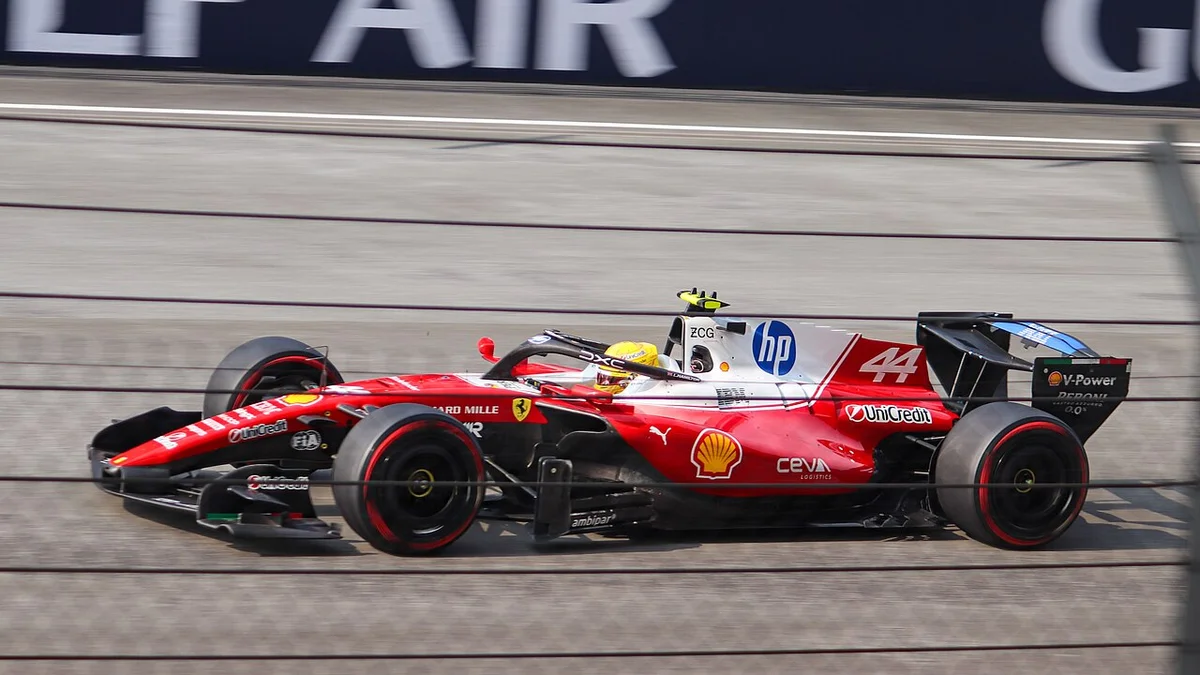
The race provided plenty of talking points, starting with Lewis Hamilton ignoring a direct command from the Ferrari pit wall. On lap 39, the seven-time world champion missed the entry to the pits after the team called him in during a VSC period to execute a double-stack strategy alongside Charles Leclerc. It was not the first time Lewis went against the team's wishes that weekend, having already forced the issue to start on medium tires instead of the soft compound chosen by the Ferrari strategists for the two SF-26 machines.
Ceccarelli notes that while a driver can have a say in pre-race tire choice, going rogue during the grand prix is a different story. Trying to run softs to the end was a massive gamble that did not pay off. The expert suggests these conflicting decisions might signal that Hamilton has lost some faith in the team's technical side and is trying to take matters into his own hands, though Lewis ultimately apologized for the mix-up. Meanwhile, Frederic Vasseur moved quickly after the race to protect his crew by highlighting the driver's error, a move Ceccarelli views as a natural defense of the Ferrari pit wall under the intense global spotlight.
The race took a severe physical toll, with Hamilton going to the medical center utterly exhausted after the finish and receiving the FIA's okay to skip media duties. Late in the race, with worn tires, Lewis tried to contain Lando Norris and ran wide, dragging Lando with him and opening the door for Andrea Kimi Antonelli to slip past both. Ceccarelli explains that the extreme fatigue was driven by cognitive overload rather than physical lack of fitness, comparing it to Jarno Trulli's famous exhaustion at Monza when fighting an unstable Toyota. When a driver cannot rely on muscle memory and has to constantly process data on a knife-edge, mental exhaustion triggers physical tension.
By contrast, twenty-year-old Mercedes driver Andrea Kimi Antonelli displayed remarkable clarity despite also struggling for fresh air on the straights. Ceccarelli highlights Kimi's innate gift for mental economy, noting that he never wastes psychophysical energy and knows how to clear his mind of useless thoughts, much like Max Verstappen. That ability to maximize a difficult weekend with a less competitive car is the hallmark of a true champion, a category Ceccarelli places Antonelli into alongside historical greats like Ayrton Senna and Michael Schumacher.