
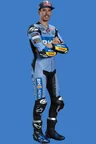
The monumental technical shift heading to MotoGP in 2027 will not harm the grid's independent squads, according to Michele Masini. As Motorsport.com Italia reports, the Gresini Racing team manager remains confident that the competitive baseline between factory outfits and satellite operations will stay roughly the same when the championship enters its new 850cc era.
MotoGP is preparing for its biggest technical overhaul in recent history. The upcoming regulations introduce smaller engine displacements, stricter limits on aerodynamics, and the outright ban of ride-height devices. Adding to the challenge is a generational shift in rubber, with the championship moving from Michelin tires to Pirelli. Because of the sheer scale of the reset, every piece of on-track testing data will be vital for unlocking maximum performance from the new machines.
While manufacturers kicked off development early, testing their 850cc prototypes as early as December of last year, satellite teams faced a much longer wait. Private tests and a June test at Brno were restricted strictly to manufacturers, meaning satellite squads could not get their hands on the new Pirelli-shod machines until a test at Spielberg last month. Yet Gresini has brushed aside fears that this delay leaves them vulnerable. In fact, Masini argues that satellite operations could actually secure an early upper hand due to how quickly they adapt to the new rubber.
"I think the level can be more or less the same as now," Masini said. "In terms of performance, it will be fundamental to understand the Pirelli tires immediately. One of the most important things in the race is to manage the tires, depending on the bike you are riding. In this case, the satellite teams can also play it better compared to some factory teams. If you understand straight away how it works and how to manage them, it could be a big help especially for the first two races."
Concerns have also been raised that such a massive regulatory reset might increase a satellite team's reliance on its manufacturing partner. However, Masini insists that the Faenza-based squad will maintain its exact level of technical backing from Ducati. He expressed total confidence that Ducati will deliver a competitive package for the riders, emphasizing that the daily collaborative relationship inside the garage will remain completely unchanged.
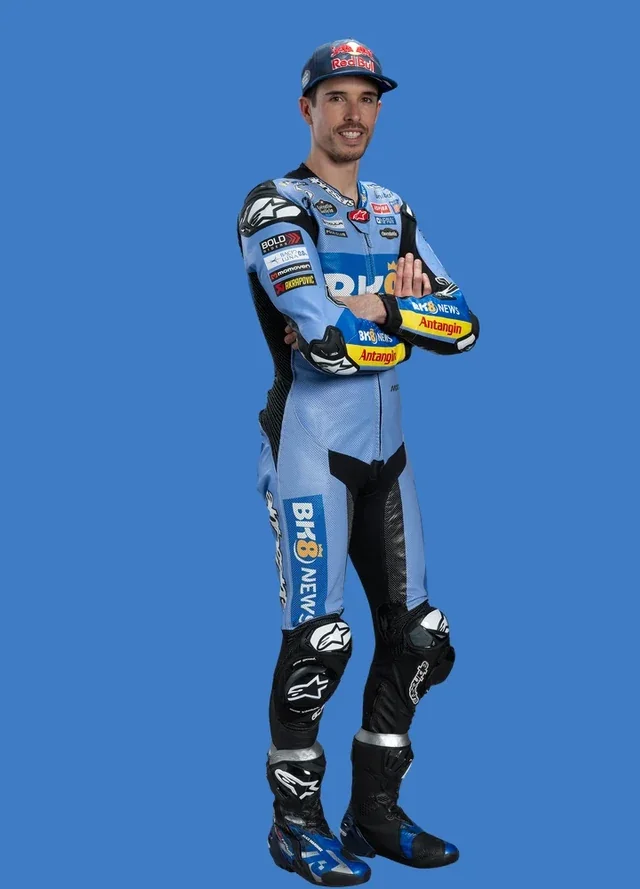
With regulations effectively wiping the slate clean, Masini views the upcoming changes as a major opportunity for Gresini. The team has secured at least one Grand Prix victory every year since splitting from Aprilia to partner with Ducati five years ago. Credited as the most independent squad on the current grid, Gresini fields a full factory-spec GP26 for Alex Marquez, while teammate Fermin Aldeguer races with the previous year's GP25 machine.
Looking ahead to the final preparations, Masini noted that teams must wait for the pre-season test at Sepang in February to evaluate the final versions of Pirelli's new compounds, though a post-race test on Tuesday after the Valencia Grand Prix could also prove useful depending on weather. Gresini already gave the new machinery its initial shakedown at the Red Bull Ring using Fermin Aldeguer's side of the garage, marking a first vital touchpoint with both the new bike and the new tires.