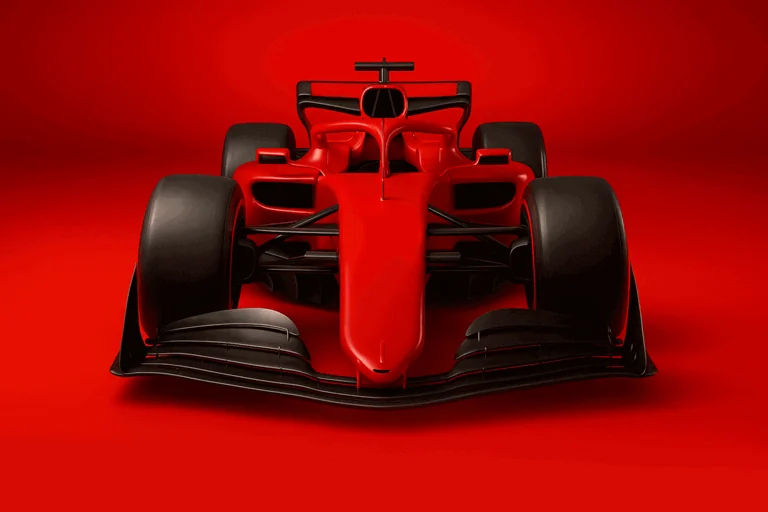

As Motorsport.com Italia reports, Charles Leclerc was left furious after qualifying at COTA exposed once again the brutal qualifying limitations of Ferrari and the SF-26. The core issue is not just a known engine deficit, where the car loses over 10 km/h to the W17 down the long straight in Austin alone, costing roughly two decibels on straight-line speed. It is the razor-thin operating window of the tyres that truly bites when everything gets turned up in Q3.
Leclerc failed to improve between Q2 and Q3, setting his fastest time in the second session rather than the final shootout. On average, Ferrari finds roughly two decibels less than Mercedes in that crucial transition from Q2 to Q3. While Friday running allowed gains in the twisty sections to compensate for the straight-line losses, qualifying tells a completely different story as rivals crank up their engine modes.
Speaking to Sky after the session, Leclerc did not hide his anger at how quickly things unravelled. "The deficit of engine is there, you see it immediately in the data," Leclerc explained. "We were managing to make the difference in the curves, but as soon as we are not in the right window with the tyres, we lose so much and that's what happened in Q3. It made me so angry because it didn't happen until Q3, where we have to put everything together."
A tiny drop in track temperature of perhaps 1C proved massive for the SF-26, throwing the rubber completely out of its optimal operating window. Hamilton noted a similar sensation, pointing out that an out-lap driven too fast on the first attempt compromised tyre temperature management. Because the SF-26 demands that drivers chase the limit harder than their opponents just to claw back time, the car operates on a knife-edge. As rivals continue to develop and Ferrari's cornering advantage shrinks, forcing those final few hundredths exposes every underlying balance flaw.
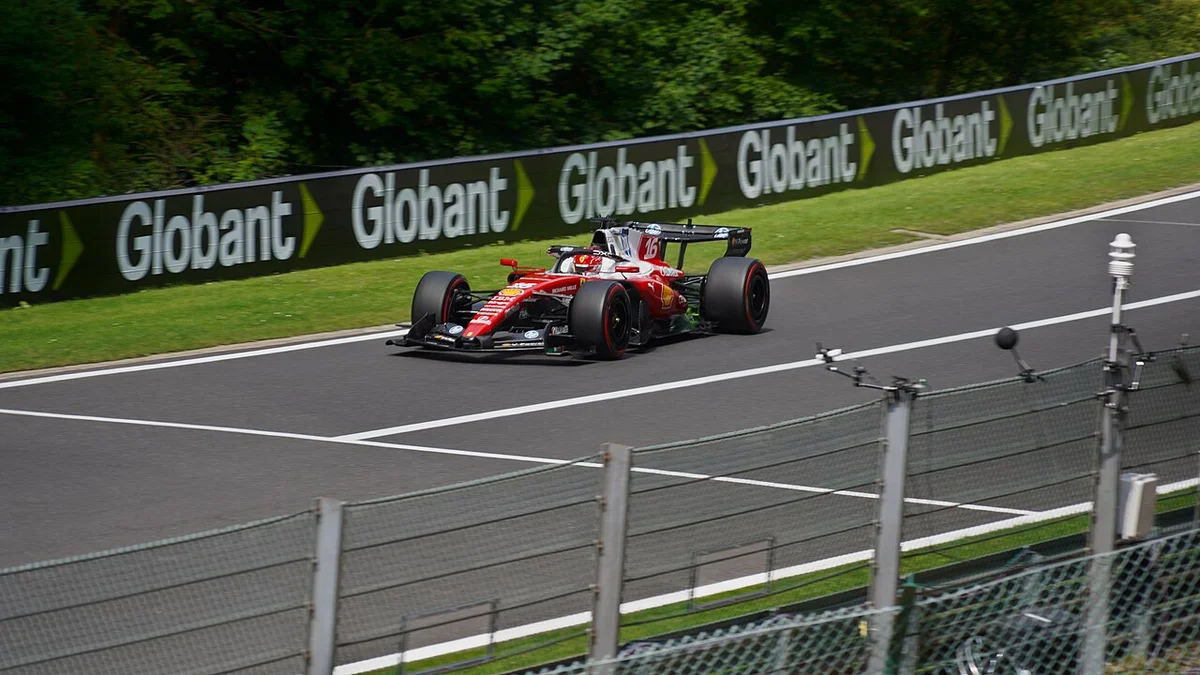
There is a bitter sense of missed potential underneath the frustration. Leclerc believed a front-row start alongside Andrea Kimi Antonelli, taking full advantage of unexpected struggles for Verstappen, was entirely within reach. Instead, a gamble to load up the front wing ultimately failed to pay off.
"Yes, it's very disappointing because I believe there have been other weekends where we were strong in free practice, but then arriving in qualifying it became very clear that the others have a lot more speed on the straight and it's really difficult for us to match them," Leclerc added. "I mean, as soon as you arrive in Q3 and you start pushing to gain the last hundredths, or even two hundredths, in every corner, that's where maybe the problems of the car, the balance problems that we are having, emerge a bit more. For us it's a situation really on a razor's edge and, as soon as we slightly exceed that limit, we lose quite a bit of lap time."
Yet that exact characteristic often flips into a race-day superpower. While getting heat into the tyres quickly remains a nightmare over a single flying lap, that same cautious thermal management frequently translates into superior tyre preservation over a long stint, especially with high degradation expected up and down the grid.