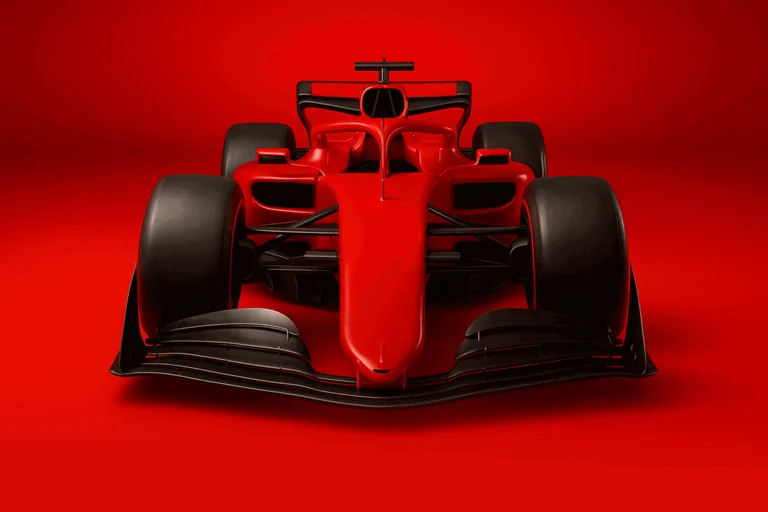


To unpick Friday at Sepang is to stare into a complete vacuum of certainty, as The Race reports. Between world championship leaders grappling with an upgraded machine, an asphalt surface that is literally tearing itself apart, brutal heat, and dodging rain clouds at the eleventh hour, teams were left swimming in data they barely recognize. As Haas driver Ollie Bearman put it, it has been a step into the unknown for everyone.
Take Mercedes, who rolled out the W17's first major upgrade since the Canadian Grand Prix in May, only for the timesheets to suggest a total disaster. George Russell was 0.383s down and fourth-fastest on single-lap pace, but traffic ruined Kimi Antonelli's soft-tyre run in FP2 while Russell suffered an off that forced him straight to the pitlane. Russell insisted the struggles are purely about failing to land the car in the right setup window rather than any inherent flaw in the new kit. Trackside engineering director Andrew Shovlin echoed the sentiment, admitting that while single-lap pace can be easily ironed out, their long-run pace offset compared to the rapid Red Bull remains a massive headache.
Over in the Red Bull garage, Max Verstappen set the benchmark with a 1m37.520s in FP1 that pipped Charles Leclerc by a tiny 0.008s margin. Yet the single-lap order is wonderfully muddy because heavy hitters like Verstappen skipped soft-tyre runs in FP2 to prioritize long stints under the threat of rain. Meanwhile, the battle lines for Sunday point to a fascinating duel. Russell reckons Verstappen holds the cards over a single lap, but McLaren looks terrifyingly fast on the long runs, even showing surprising teeth in the high-speed corners where the MCL40 has traditionally dominated.
The real menace, however, lies beneath the cars. The Sepang tarmac has aged terribly since Formula 1 last visited nine years ago, breaking up so badly that the FIA is deploying sweepers after every session to clear loose stones. Alex Albon called the surface extremely aggressive, and Pirelli noted that cars were running a staggering 4.5 seconds slower than pre-weekend simulations predicted.
Tyre degradation is sitting in that vicious 0.2 to 0.3 seconds per lap window familiar from Barcelona, paving the way for a two-stopping or even three-stopping race. Teams are hoarding their hard tyres and refusing to run them on Friday to keep fresh sets for Sunday, yet there is a genuine fear that the hards will slide too much and degrade faster than the softs. Pirelli's Simone Berra pointed out that the soft compound can sometimes offer superior control over a sliding medium or hard on rough asphalt, opening the door to wild strategic gambles.
Add in the looming threat of tropical rainstorms that nearly struck during FP2, and the stage is set for absolute carnage. With teams possessing precious little experience on Pirelli's wet weather products in such heat, any downpour will throw the entire weekend into total anarchy.