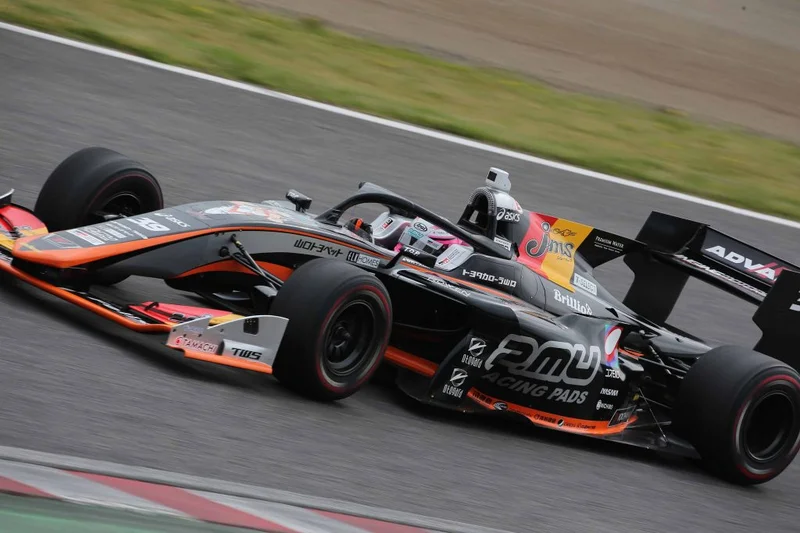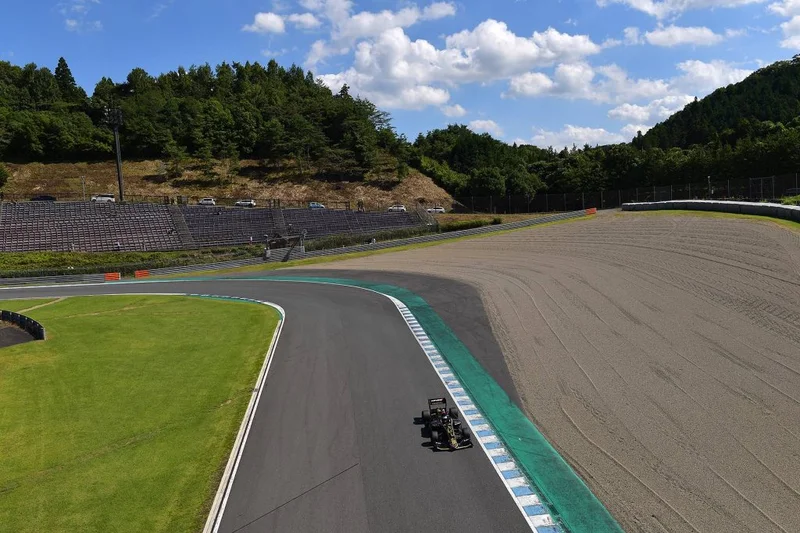
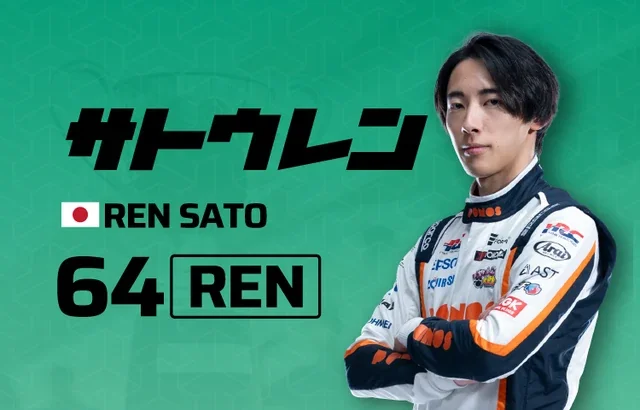


The wait is finally over. Roughly five months after the chequered flag fell on the final round of last year, the All Japan Super Formula Championship is back and ready to kick off its brand-new campaign at Fuji Speedway in Shizuoka Prefecture. This opening meeting is not a single affair, but a demanding two-race weekend across Friday, April 8th to Sunday, April 10th. For every single driver on the grid, laying down a marker here is everything if they want to dictate the early momentum of the season.
Now, a double-header is just part of the wider shift. The calendar expands to seven total meetings and ten races this year, ditching the old drop-score system entirely. Every single point counts now, accumulated straight through the year. The points layout remains the same for the top three in qualifying, doling out 3 points for pole, 2 for second, and 1 for third. On race day, the winner takes 20, with 15 for second and 11 for third, running all the way down to tenth place. A single race can yield up to 23 points. A clean sweep of pole positions and race wins across both days at Fuji could hand a driver a staggering 46 points in just 48 hours.
That brutal arithmetic faces a grid boasting 12 teams and 21 drivers. While the team count holds steady, Team Mugen and Team Goh expand to two-car operations, boosting the driver count by two compared to last season. Rookies flooding in include Ren Sato (Team Goh) and Atsushi Miyake (Team Goh) stepping up from SFL, alongside Ukyo Sasahara (Team Mugen) and Giuliano Alesi (Kuo Vanteltin Team Tom's) stepping into full-time seats. Sasahara previously filled in for an absent Juri Vips in his first year and Makino's opening two rounds last season, but this marks his first campaign named as a full-time regular driver. Alesi, meanwhile, ran most races last year as a substitute for Kazuki Nakajima—missing only the Fuji opener and the Motegi round—but now takes over the prestigious ace number 36 car at Tom's following Nakajima's retirement at the end of last year. Sasha Fenestraz (Kondo Racing) also joins for a full assault after visa issues limited him to just two appearances last year at the Motegi and Suzuka finales, though he has been present for all testing. Rising sophomores like Hiroki Otsu (Docomo Team Dandelion Racing), Ririo Miyata (Kuo Vanteltin Team Tom's), and Sena Sakaguchi (P.MU/Cerumo-Inging) add even more youthful fury to the field.
Of course, those young chargers have to get past a formidable wall of experience. Defending champion Tomoki Nojiri (Team Mugen) returns after securing his maiden title in his eighth season last year, joined by veterans Kamui Kobayashi (Kcmg), Yuji Kunimoto (Kcmg), Yuhi Seki (Carenex Team Impul), Ryo Hirakawa (Carenex Team Impul), and Naoki Yamamoto (TCS Nakajima Racing). Middle-tier threats like Nirei Fukuzumi (ThreeBond Drago Corse)—who grabbed two wins last year before switching teams—Sho Tsuboi (P.MU/Cerumo-Inging), and the relentlessly fast Toshiki Oyu (TCS Nakajima Racing) are all hunting for the crown.
Testing at Fuji on March 22nd and 23rd offered a chaotic preview of what is to come. Snow washed out the opening afternoon, leaving the morning entirely wet and sidelining several drivers. Day two brought dry running and extended sessions, yet nobody heads into this weekend fully prepared. With spring weather notorious for its mood swings—typified by the local saying about the unpredictability of spring skies—teams face a frantic race to adapt if sessions swing between dry asphalt and sudden rain.
Qualifying brings its own brand of terror under a revised knockout format featuring only Q1 and Q2. Q1 splits the field into groups of ten or eleven cars for ten-minute bursts, but only the top six from each group advance—one fewer than last year. At Fuji, where lap times sit on a razor's edge, traffic management and tyre warm-up strategies during Q1 will be absolute nail-biters. Surviving that leads straight into a frantic seven-minute Q2 session where all 12 survivors scrap simultaneously for pole position without group separation.
When race time arrives, each encounter spans 41 laps or 75 minutes, identical in distance to last year's season opener. Dry conditions mandate a mandatory tyre change window opening when the leader crosses the first safety car line on lap 10 and closing before the final lap begins. Teams have also juggled their pit crews over the winter, making lightning-fast tyre changes a critical battleground. With Honda powerhouses locking out the top three places here last year—courtesy of Nojiri, Oyu, and Fukuzumi—the question remains whether the Honda engines will rule again, or if Toyota's pre-season testing pace will translate to home turf supremacy. Either way, the launch of the Super Formula Next50 project promises plenty of action both on and off the asphalt.