


Formula 1 touched down in Austin for the United States Grand Prix with a mountain of unfinished business from the previous round, and as The Race reports, the paddock was immediately alive with controversies, upgrades, and blunt admissions. Mercedes revealed that its planned ADUO engine upgrade is delayed yet again. Initially pencilled in for this weekend, the power unit isn't ready and won't make the grid for next weekend's Mexican Grand Prix either, meaning the Brazilian Grand Prix that concludes the triple-header is the earliest possible arrival date. Mercedes wants to be completely sure it's a proper step forward, but the delay deepens questions about their chassis and engine package while they still battle aerodynamic gremlins from their major Malaysia update that initially made the car slower.
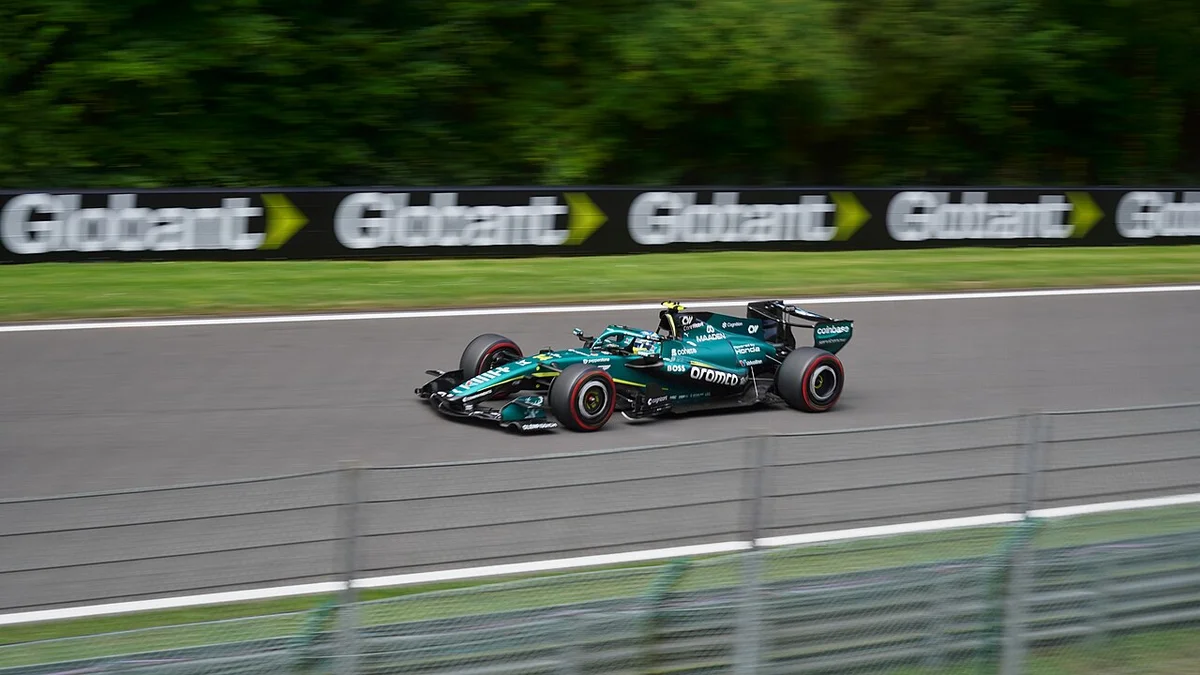
Over at Honda, the post-mortem from Fernando Alonso's Singapore nightmare points squarely at a mismatch between dyno expectations and reality. Alonso felt his turbo was broken in qualifying—prompting a precautionary engine swap—and experienced erratic deployment in the race itself. Honda's Sakura base found no mechanical faults, but uncovered a gap in how it controls the turbo spooling up to combat lag, a headache compounded by the MGU-K harvesting energy under braking on heavy-regen tracks.
Driver market drama also spilled into the open. Esteban Ocon revealed that, aside from his friend Lance Stroll, not a single driver on the grid sent him a message of support after Haas elected to replace him for 2027. Ocon dismissed Pierre Gasly's public press conference defense as empty text messaging, noting how quickly the paddock blows hot and cold based on the last three races. Meanwhile, Ollie Bearman's expected 2027 Haas drive remains unconfirmed because his management is hammering out terms with Ferrari over medium-term escape clauses. Bearman wants to fight at the front and knows breaking into a Ferrari lineup featuring Charles Leclerc and Lewis Hamilton will be a monumental task.
Lando Norris avoided internal punishment from McLaren for his Singapore sprint clash with Oscar Piastri simply because he owned the mistake and understood why the move was unnecessary, satisfying team principal Andrea Stella without needing a hollow apology. Lewis Hamilton was similarly candid about his late-race strategy call in Singapore, admitting he ignored Ferrari's pit call in a split-second decision that ultimately cost him a podium and dropped him to sixth.
Grand Prix Drivers' Association director Carlos Sainz caused a brief storm on Thursday by questioning whether F1 should race in Qatar and Abu Dhabi given the volatile Israel/US-Iran conflict, though Williams issued a clarified statement hours later insisting he fully trusts the FIA and Formula 1 to put safety first. Track action also brought physical warnings, as Max Verstappen blasted the bumpy Circuit of the Americas. Having checked the damage from the ground-effect era, Verstappen warned that the 2026 cars bottom out even worse on straight-line speed modes, leaving his lower back in poor shape and threatening serious physical toll if teams keep accepting such surfaces.
Finally, the paddock fell into a petty debate over car pace when Isack Hadjar claimed Red Bull won Singapore despite not having the fastest car, arguing Max Verstappen would have won with more margin in a Ferrari. Leclerc dismissed the claim as nonsense, Hamilton noted Red Bull matched their corner speed while holding a straight-line advantage, and Verstappen shrugged it off entirely. Ferrari arrives with a new floor in Austin, though Hamilton and Leclerc warned it is a tiny step worth less than a tenth of a performance gain. Down the pitlane, Haas team principal Ayao Komatsu admitted that unexplained performance variations between identical parts have cost the squad millions of dollars and wasted entire weekends, leaving them none the wiser despite laser scanning and extensive research.




