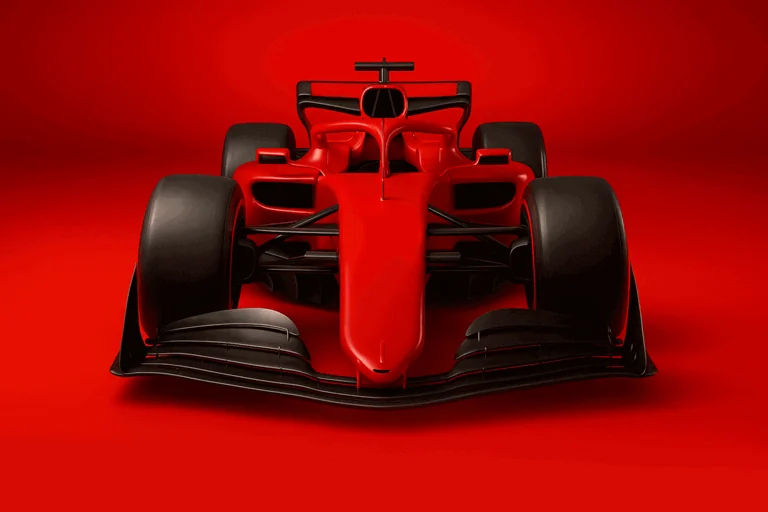

So, here is the reality of modern Formula 1: a rulebook barely touches the track before it undergoes a complete rewrite. As FormulaUno.it reports, the technical framework designed for 2026 has already triggered an ongoing phase of regulatory revision that will reshape power delivery, downforce, and car weight heading into 2027, 2028, and eventually the 2030 or 2031 generation.
In an interview with FormulaPassion, FIA technical director Nikolas Tombazis laid out a roadmap to dial back the reliance on electrical power. The numbers tell the story of a deliberate shift. In 2026, the internal combustion engine develops roughly 400 kW while the MGU-K delivers 350 kW. By 2027, thermal power climbs to around 420 kW, and electrical output drops to 300 kW—though the Overtake mode will still tap into 350 kW. Then, in 2028, the ICE reaches about 450 kW while the standard electrical component stays pinned at 300 kW. Fuel mass flow will also increase by 5% in 2027 and 13% in 2028 compared to 2026 baselines.
The FIA readily admits these energy limits were known during development, long before the cars turned a wheel in anger. Simulations flagged potential shortfalls, but political friction and rigid governance kept teams from altering power unit parameters mid-development. Alongside the engine shifts, preliminary CFD studies requested by the FIA point toward trimming vertical loads through simplified floors, diffusers, and rear wing geometries. There is also a push to slash the weight of future cars by at least another 60 kg.
Tombazis noted that reducing the electrical dependency carries risks for overtaking dynamics, prompting specific studies into the performance delta between attacking and defending cars. Looking further ahead to 2030 or 2031, the governing body is even evaluating a return to V8 engines paired with a reduced electrical component, lower turbo boost pressures, and sustainable fuels to cut complexity and cost.
Ultimately, these upcoming adjustments aim to return natural driving characteristics to the machines while fixing the imbalances of the current cycle. The 2027 and 2028 seasons will bridge the gap, fixing power unit headaches and refining aerodynamic rules before a potential larger overhaul at the decade's turn.