

Here is the honest truth about Honda's current Formula 1 comeback: as Motorsport.com reports, their latest power unit upgrade dragged driveability right back to where it was with their troubled first specification. Honda has had a brutal time on their full-fledged return to the world championship under the new technical regulations, which demand power units featuring near-50% electrical energy.
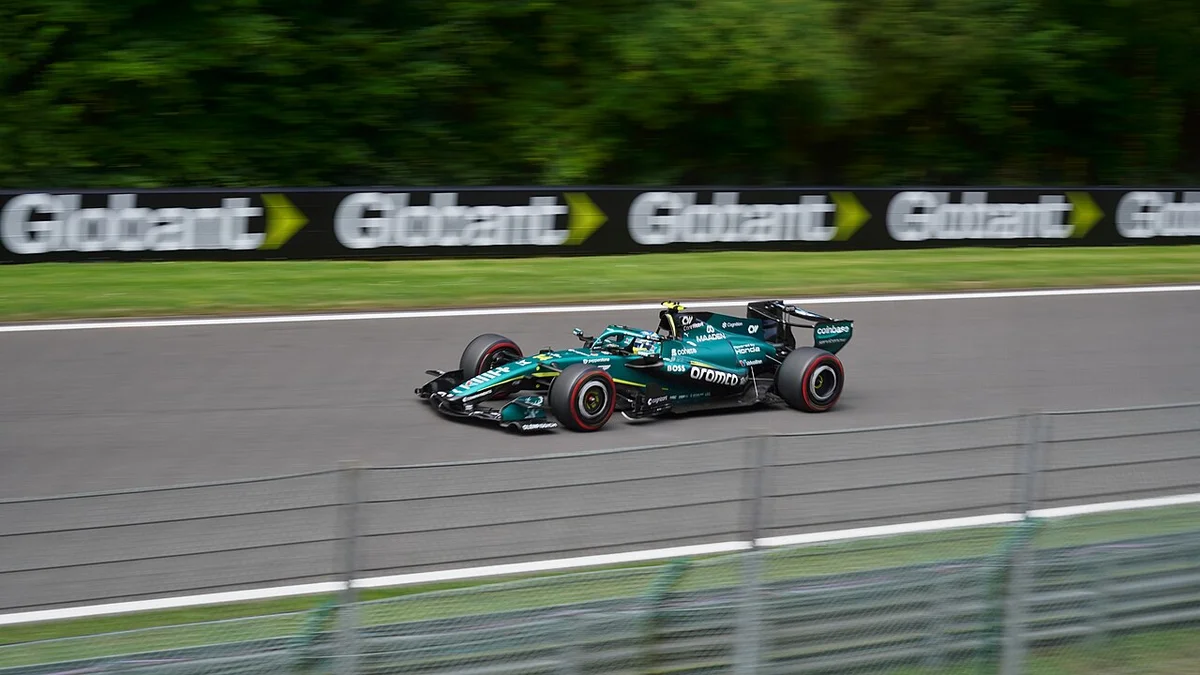
While the Adrian Newey-designed AMR26 brought its own structural flaws, the machine became entirely unpredictable due to a Japanese powertrain lacking reliability, raw power, and basic manners. Turbo lag and random downshifts plagued the car, a brutal cocktail of issues described directly by Fernando Alonso. Late-summer upgrades to both chassis and engine have finally pushed Aston Martin forward into the midfield scrap, yielding six points across the latest six rounds.
However, that power unit update—unlocked via the Additional Development and Upgrade Opportunities system for powertrain manufacturers—came with severe compromises. Honda Racing Corporation president Koji Watanabe didn't sugarcoat the situation.
"As the drivers have also said, the biggest issue is that we simply do not have enough power compared with our competitors," Watanabe explained, noting that the goal for Spec 2 was to chip away at that deficit. While they hit their power targets, alterations to the combustion process torpedoed their progress on the throttle side. "As a result, driveability regressed to something closer to what we experienced with Spec 1 in its early stages."

Fortunately, Watanabe insists those characteristics can be ironed out through control-system refinements and hardware adjustments, noting that driveability is slowly clawing its way back despite the grim circumstances. The deficit in raw horsepower remains the glaring emergency they must solve.
The roots of this struggle run deep, stretching back to the time it took to rebuild their F1 engineering ranks after officially stepping away from their Red Bull partnership in 2021. According to Watanabe, the operation suffered a late start on development. Establishing HRC as a dedicated racing development company kept fundamental research alive, but the formal return announced in 2023 required assembling a massive infrastructure from scratch.
That delay effectively cost them nearly two years against their rivals. The initial push concentrated on the battery and electric motor—components demanding punishingly long development cycles—which left the internal combustion engine lagging behind. When they finally scrambled to catch up, running up against the budget cap and operating time restrictions slammed the door on making up that lost ground.