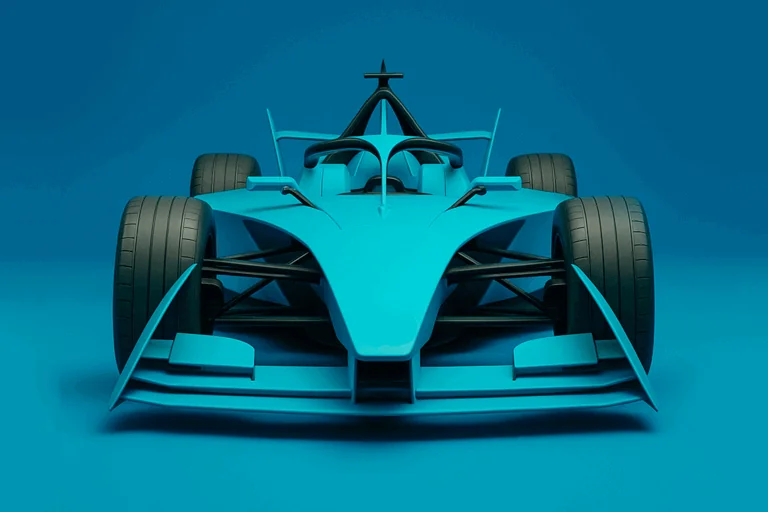
Here is a fascinating technical alliance: Formula E has officially locked in Comsol as the Official Multiphysics Partner of the championship. The partnership was unveiled at the Comsol Conference 2026 Boston, where Formula E CTO Dan Cherowbrier delivered a keynote address on the engineering shaping the future of the series.
Electric race machines are absolute beasts of complexity, packing electrical, thermal, structural, electromagnetic, fluid, and battery systems into extreme constraints. Through this deal, Formula E engineers will deploy COMSOL Multiphysics to tackle these intricate technology challenges where multiple interacting physical effects collide. The collaboration will also dive into simulation apps and digital twin solutions to push physics-based insights far beyond traditional modeling workflows.
Bjorn Sjodin, SVP of Product Management at Comsol, pointed out the core of the challenge: "Formula E is a great example of why multiphysics simulation matters, as multiple phenomena are at play and constantly interact with one another. We are excited to work directly with Formula E's technology team and put COMSOL Multiphysics to work on these kinds of real-world challenges."
On the other side, Dan Cherowbrier emphasized how the partnership elevates their technical capabilities. "Technology is at the heart of Formula E, so partnering with COMSOL makes real sense for us and truly enhances our engineering skillsets," Cherowbrier stated. He added that the team is particularly keen on exploring how AI-assisted modeling, agentic workflows, and digital twins can make simulation insight more accessible.
Timing-wise, this is landing right as the championship looks toward the horizon. The next generation of the sport will demand even more from performance, efficiency, energy management, and vehicle development as Formula E steps into the GEN4 era, which promises the fastest and most technologically advanced race car to date.
Simultaneously, Comsol used the moment to announce COMSOL Multiphysics version 2027, scheduled for release later this autumn. That upcoming software drop will feature capabilities tailored for advanced engineering workflows, including dedicated electric motor modeling, system-level simulation, agentic modeling, and expanded access for building simulation apps.