
The United States Grand Prix in Austin stands today as a brilliant case study in Formula 1's rock-solid foundation across North America. Packed grandstands and a massive three-day attendance of 467,000 prove it beyond a doubt, but the real tell was the heavy wave of commercial announcements made ahead of the weekend. As The Race reports, the sheer volume of partnerships underlined just how healthy the paddock's business side is right now.
New American team Cadillac brought on Houston-based energy company Fronteiras, while Audi lined up AI-forward software company Elastic starting from 2027 and showed off activations with Revolut bound for Sao Paulo. Mercedes announced a partnership with fintech platform Stripe from 2027 onwards, bringing team principal and CEO Toto Wolff onto cofounder John Collison's Cheeky Pint podcast. The team also added astronaut Reid Wiseman as an ambassador and ran a fresh look to promote their Manufaktur personalisation wing. Elsewhere, McLaren linked up with pharmaceutical company AbbVie, Williams with tech firm Klaviyo, and Racing Bulls with cybersecurity specialist ThreatLocker, while Aston Martin tweaked its livery to celebrate five years alongside Cognizant. Alpine and Adobe also used an event hosted in partnership with Axios to announce a 2027 alliance, featuring Pierre Gasly and Adobe's Marissa Dacay alongside CEO Fabricio Drumond.
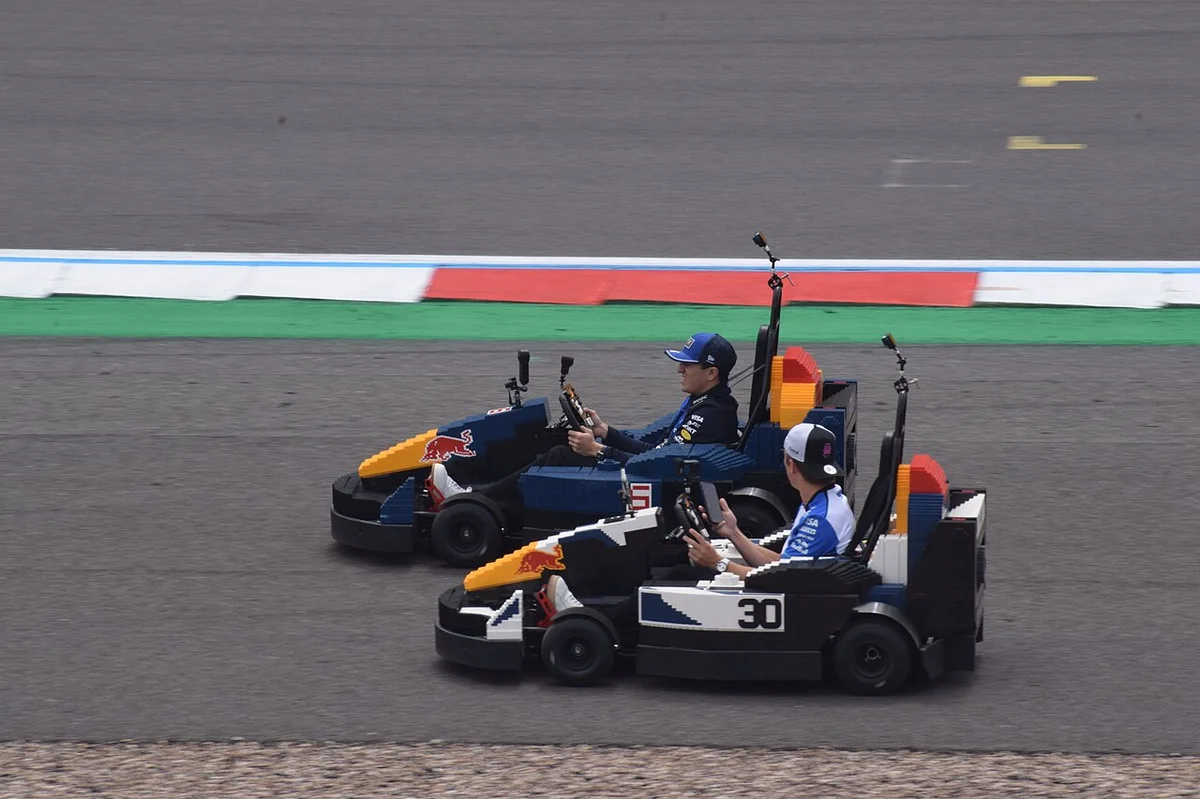
Yet the most distinct memory from the weekend might not be on-track horsepower at all. Police motorcades escorting a staggering concentration of black SUVs carrying team VIPs, partners, and agency staff provided a unique gauge of the paddock's economic power. Austin is now an absolute commercial powerhouse for the sport, filling the town with activations ranging from Liam Lawson playing guitar to deep-dive business panels.
It was not always this way, however. After the rain-hit 2015 event brought falling attendance, reduced state funding, and genuine doubt about the grand prix's future, organisers had to hustle. Bringing in Taylor Swift in 2016 helped turn the tide, proving that keeping the race alive took proper grit and perseverance. Austin kept the lights on for Formula 1 in America when times were tough, and the sport's current North American empire owes an enormous debt to that resilience.