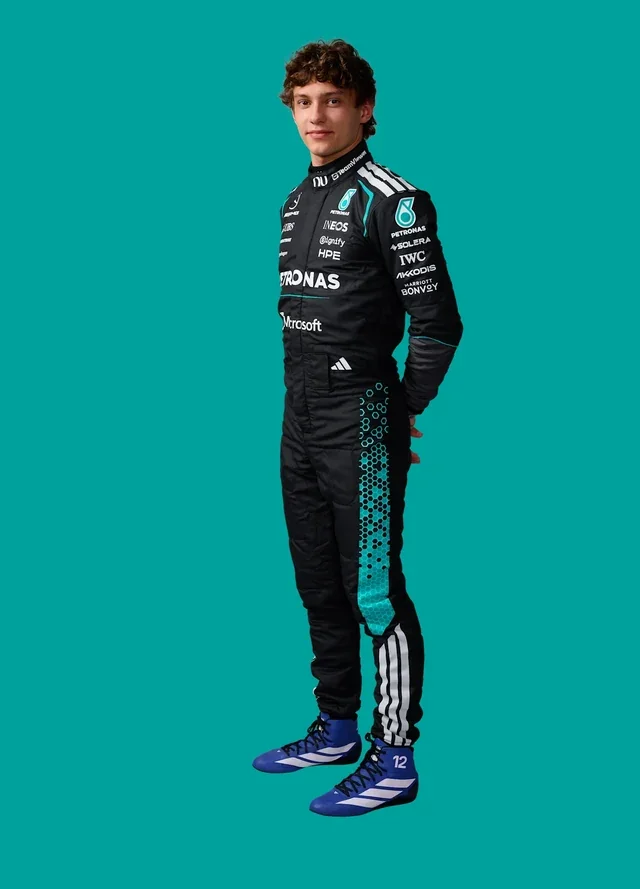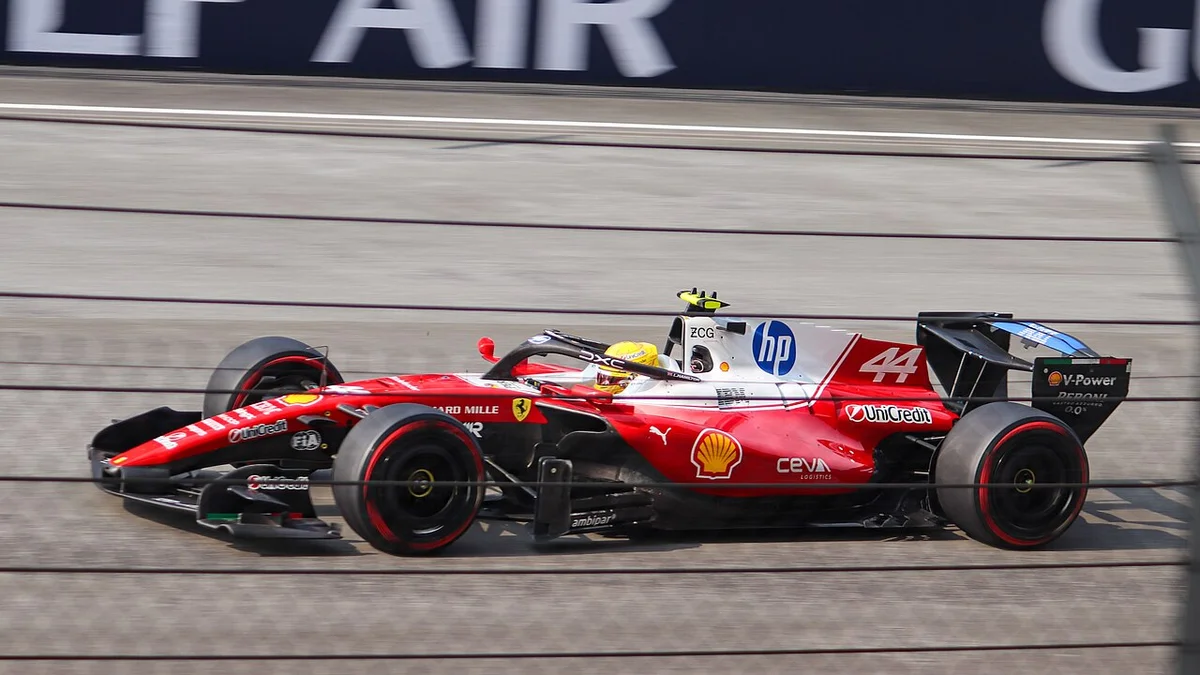


Formula 1 drivers have had to adapt to numerous quirks under the 2026 regulations, but the Mexican Grand Prix exposed one glaring flaw that Lewis Hamilton did not hesitate to call "stupid". Historically, overtaking at this venue is already a formidable challenge due to the aero and cooling compromises forced by thinner air. This year, however, things were even worse. As The Race reports, the final laps made it painfully obvious that sufficient speed offsets simply did not exist.
Hamilton pushed as hard as he could to grab leader Max Verstappen’s tow and make a lunge into Turn 1. Further back, Lando Norris tried the exact same tactic on Charles Leclerc. Even with the extra 0.5MJ of energy granted by overtake mode and the slipstream down the exceptionally long start-finish straight, neither Hamilton nor Norris could get close enough to make a move stick. The culprit was not merely the high-altitude venue weakening the slipstream effect in a year where the traditional DRS advantage for the chasing car has disappeared. Instead, it was an under-the-radar 2026 rule enforcing what amounts to an outright speed limit.
To manage the performance profile of energy-starved cars down straights, the rulebook under C5.2.8 imposes deployment limits at the end of straights. When overtake is inactive, maximum deployment is capped at 350kW, tapering down via a formula below 340km/h and hitting zero above 345km/h. For cars using overtake mode, the full 350kW starts ramping down from 337.5 km/h until it drops to zero at 355km/h. At most tracks, these limits barely register because cars run out of energy long before reaching them. Mexico, however, was a different beast.
The layout featuring the stadium section at the end of the lap meant cars burst onto the super long main straight energy-rich. Rather than hitting the speed limit near the end, they bumped into the restriction very early. Pursuing cars saw their power automatically reduced just as they tried to maximise overtake mode. The result was that gaps between cars froze early in the straight. Telemetry from the penultimate lap showed Verstappen doing 338km/h at 500 metres while Hamilton, armed with a tow and overtake mode, sat at 349km/h and began losing power.
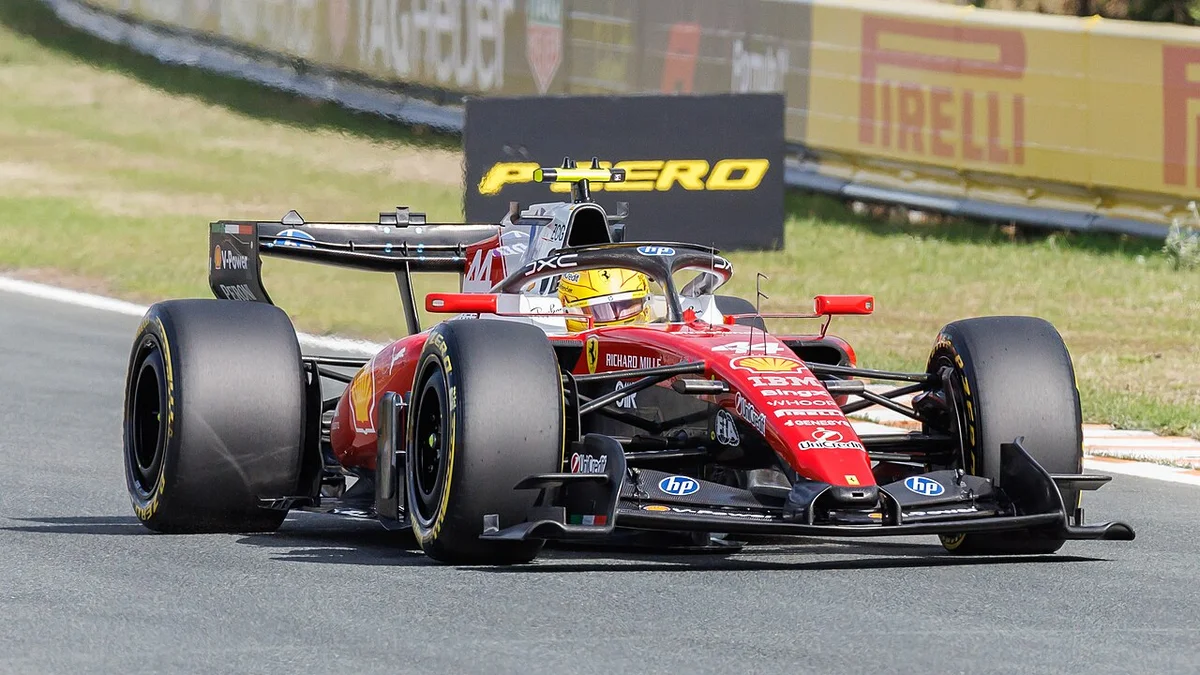
In the cooldown room, Hamilton did not mince words with Verstappen, calling the clipping "so stupid" and remarking that it felt entirely devoid of sense. Later, in the post-race press conference, Hamilton elaborated that the regulation was nonsensical from a racing perspective. He pointed out that when trailing a car with a bit of extra power in the slipstream, a driver should be able to push past, but the engine is artificially held back by silly clips, resulting in what he considered the worst engine profile setting the sport has ever seen.
Norris echoed those sentiments, stating that the limiter ruins racing entirely. Because both cars hit the exact same ceiling, coming out of the final corner behind a rival leaves a driver completely powerless to do anything. Fortunately, relief is on the horizon. The rules governing this speed limit have been deleted from the 2027 regulations. Increased fuel flow, improved turbo boost pressure, and better harvesting allowances mean cars will no longer be starved of energy, allowing F1 drivers to finally race down the straights without worrying about arbitrary speed caps.


 F1
 F1
 F1